West Fresno County Communities Demand a Voice in the World’s Largest Solar Project
Across the rural expanses of West Fresno County, an unprecedented energy transition is taking shape.
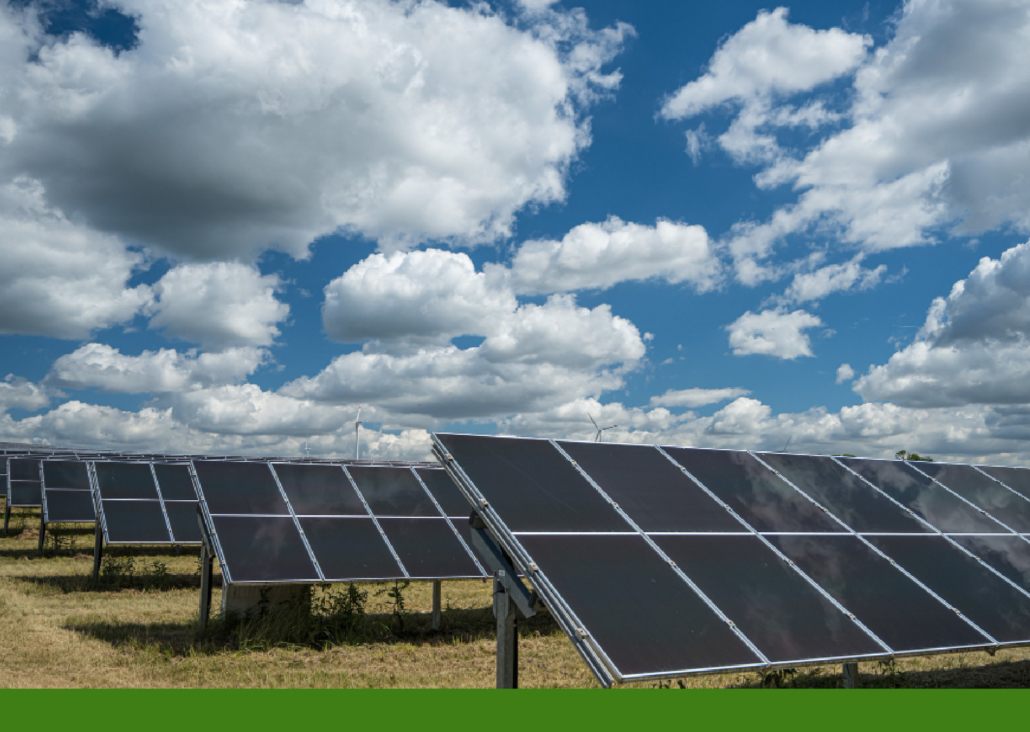
Plans are moving forward to construct the world’s largest solar panel installation. Known as the Valley Clean Infrastructure Plan (VCIP), this massive undertaking will convert 136,000 acres within the Westlands Water District (WWD) into utility-scale clean energy infrastructure.
The scale of the project is staggering, including tens of thousands of acres of solar arrays, extensive battery energy storage systems, and major high-voltage transmission lines designed to route clean electricity to major metropolitan hubs across Northern and Southern California. In December 2025, the Westlands Water District Board of Directors voted to approve the plan.
Yet for the working families, farmworkers, and everyday residents living in Mendota, Firebaugh, Kerman, San Joaquin, Huron, Coalinga, Cantua Creek, El Porvenir, Five Points, and Lanare, this announcement has sparked urgent questions. While California accelerates toward its aggressive clean energy mandates, who will bear the environmental burdens of that transition, and who will reap the benefits?
At Fresno BHC, we believe that a green economy cannot be built on the backs of vulnerable communities. True environmental and economic justice requires that the everyday people who live closest to project boundaries have a seat at the decision-making table.
What Is the Valley Clean Infrastructure Plan?
The Valley Clean Infrastructure Plan is a multi-decade project that targets 136,000 acres of land within Westlands Water District, transitioning farmland into clean energy production.
Because of its colossal scale, the VCIP will not be constructed all at once. Instead, it will unfold as a series of individual solar and infrastructure projects, each requiring its own environmental review and permitting process.
The timeline outlined for the VCIP spans more than half a century: a proposed 10-year construction phase, an active operational lifetime of 35 years, and a 10-year decommissioning phase. For the next 55 years, the communities of West Fresno County will live alongside the construction, operation, and dismantling of this massive infrastructure network.
Weighing Clean Energy Against Local Impacts
While the transition to zero-carbon energy is critical for addressing the global climate crisis, clean energy projects are not automatically equitable. When utility infrastructure displaces local agricultural land, the surrounding neighborhoods face localized consequences.
The conversion of tens of thousands of agricultural acres into solar arrays threatens the livelihoods of agricultural workers. Farming has been the economic backbone of Westside communities for generations. Solar projects, by contrast, rely on temporary construction labor and provide very few permanent, operational jobs once built. Without intentional job protections and retraining programs, local farmworkers have no pathway into the emerging green economy.
Public Safety, Fire Hazards, and Emergency Preparedness
Large-scale commercial battery storage systems and high-voltage transmission lines carry well-documented fire risks. In rural West Fresno County, emergency services are already underfunded and stretched thin. Several unincorporated towns lack full-time fire stations or modern emergency response equipment. In the event of a commercial battery fire or an electrical blaze, rural residents could be left without adequate emergency protection or clear evacuation routes.
Decades of heavy construction and land disturbance will generate substantial dust, increased heavy truck deliveries, and traffic congestion along rural, two-lane roads. Disturbing topsoil in the Central Valley creates severe health hazards, especially the increased spread of Coccidioidomycosis, the spore that causes Valley Fever. In a region that already suffers from some of the worst air pollution in the nation, prolonged construction dust poses a direct threat to children and families.
Who Benefits from VCIP?
Perhaps the most striking irony of the VCIP is destination: while West Fresno County hosts the panels, lines, and batteries, the electricity is slated to power coastal cities in Northern and Southern California. Meanwhile, families living directly adjacent to these multi-billion-dollar installations continue to pay crushing monthly utility bills to keep their homes cool during sweltering Central Valley summers.
Faced with these high stakes, local residents refuse to be sidelined. A grassroots coalition of community members has formed Futuro Justo para el Oeste de Fresno (Futuro). Composed of residents from Cantua Creek, El Porvenir, Lanare, San Joaquin, Kerman, Coalinga, and Five Points, Futuro represents the rural, low-income, and Spanish-speaking communities situated along the VCIP footprint.
Supported by coalition partners including Fresno Building Healthy Communities, Leadership Counsel for Justice & Accountability, and Central California Environmental Justice Network, Futuro is mobilizing to ensure that the clean energy transition includes benefits and binding protections for local families.
Under California Assembly Bill 2661 (AB 2661), Westlands Water District is legally required to establish a Community Benefits Agreement (CBA) as part of the VCIP. On January 22, 2026, WWD staff presented a preliminary CBA development process to its board, outlining a co-development framework involving Fresno County and Westside cities: Kerman, San Joaquin, Huron, Firebaugh, Mendota, and Coalinga.
However, Futuro and allied advocates argue that government-to-government negotiations are not enough. Unincorporated communities like Five Points, Cantua Creek, Lanare, and El Porvenir have no city councils to represent them. If their voices are not heard in the negotiation process, their specific needs will be overlooked.
Democracy cannot happen behind closed doors. To guarantee that the CBA process remains accountable to the people, Futuro and community advocates have set forth explicit demands for the Westlands Water District:
- Direct Representation: WWD must formally commit to adding Futuro as a co-developing and implementing entity of the CBA, ensuring rural unincorporated areas have designated, equal representation.
- Working Group Formation: WWD must establish an official working group within 60 days, composed of representatives from impacted disadvantaged communities and community-based organizations.
- Accessible Workshops: WWD must host a minimum of three workshops across each of the plan’s five development phases. These must be held during evenings or weekends, in accessible geographic locations throughout the project footprint, fully noticed in advance, and conducted with comprehensive Spanish translation.
- Transparent Review Timelines: The public must receive a minimum 60-day public comment period once the draft CBA is released, and WWD must publish an official adoption timetable within 90 days.
- Rigorous Environmental Siting: Every individual solar project within the 136,000-acre footprint must undergo comprehensive California Environmental Quality Act (CEQA) review. Environmental Impact Reports (EIRs) must evaluate cumulative localized harms, establish enforceable mitigation, give 30-day bilingual mailed notice, and address community concerns before permits are issued.
How to Get Involved
The future of West Fresno County is being decided right now. Our communities have long provided the food that feeds the country; they must not be treated as sacrifice zones for renewable energy development. Clean energy is only clean if it respects the health, rights, and futures of everyday people.
We invite all Westside residents, community leaders, and advocates to stand with Futuro and support this campaign:
- Attend Monthly Meetings: Community meetings are held on the third Monday of every month to coordinate advocacy and share updates.
- Join Upcoming Mesa Redonda (Roundtable) Sessions: Mark your calendars for regional roundtable meetings on November 21, 2026, in Mendota and January 30, 2027, in Firebaugh.
Stay tuned to Fresno BHC channels for ongoing reporting, action alerts, and ways to make your voice heard as we build a healthier Central Valley for all.
Read Our Newsletter
Latest News

 Fresno County Planning Commission DENIES CEMEX Rockfield ExpansionOctober 9, 2026 - 9:30 amin: Outdoor Access
 A Third Win for Fresno Voters: Appeals Court Rules City Alone Must Pay Legal Fees in Measure P FightOctober 8, 2026 - 5:13 pmin: Outdoor Access
 West Fresno County Communities Demand a Voice in the World’s Largest Solar ProjectSeptember 23, 2026 - 1:38 pmin: Land Use

 Measure S Is the Only Real Transportation Fix on November’s BallotAugust 27, 2026 - 9:25 pmin: Transportation