
What State Leaders Saw on Our South Fresno Environmental Justice Bus Tour
Environmental Justice Bus Tour
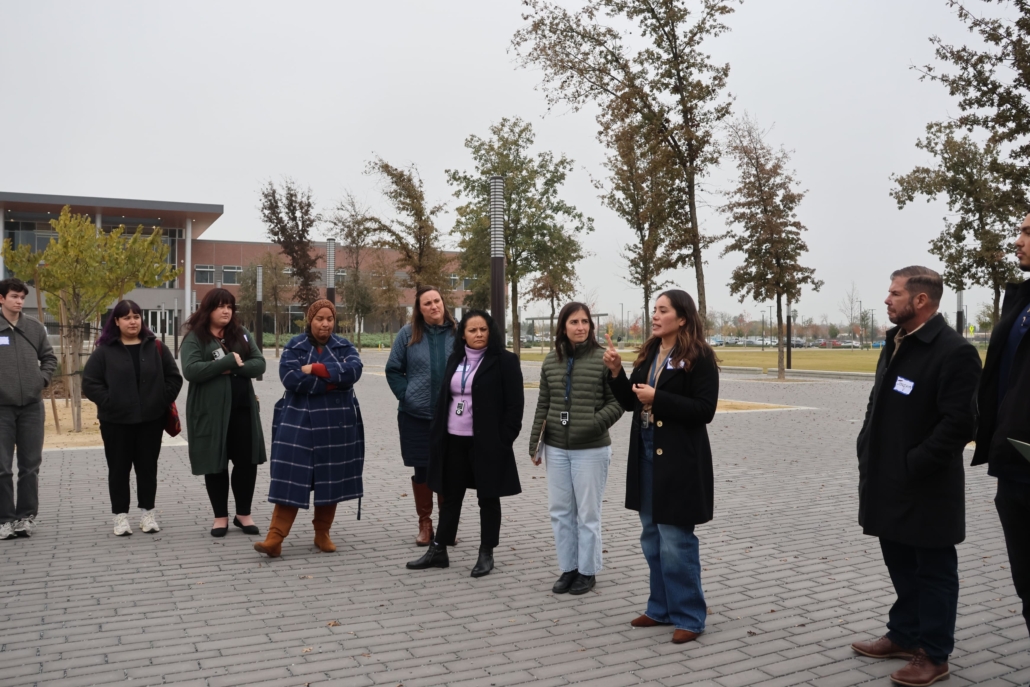
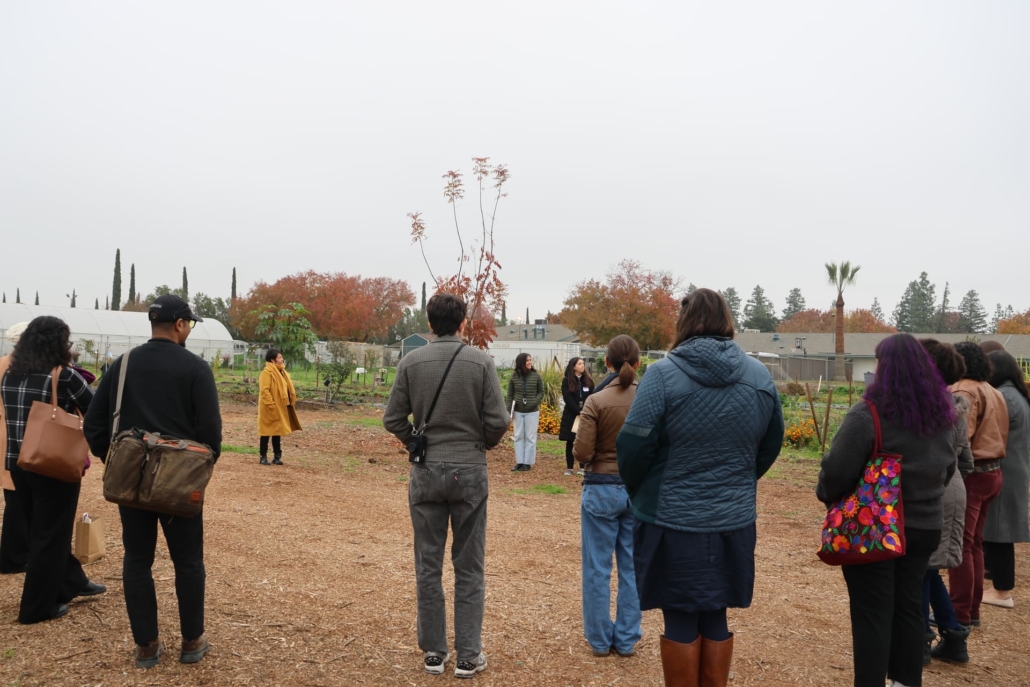
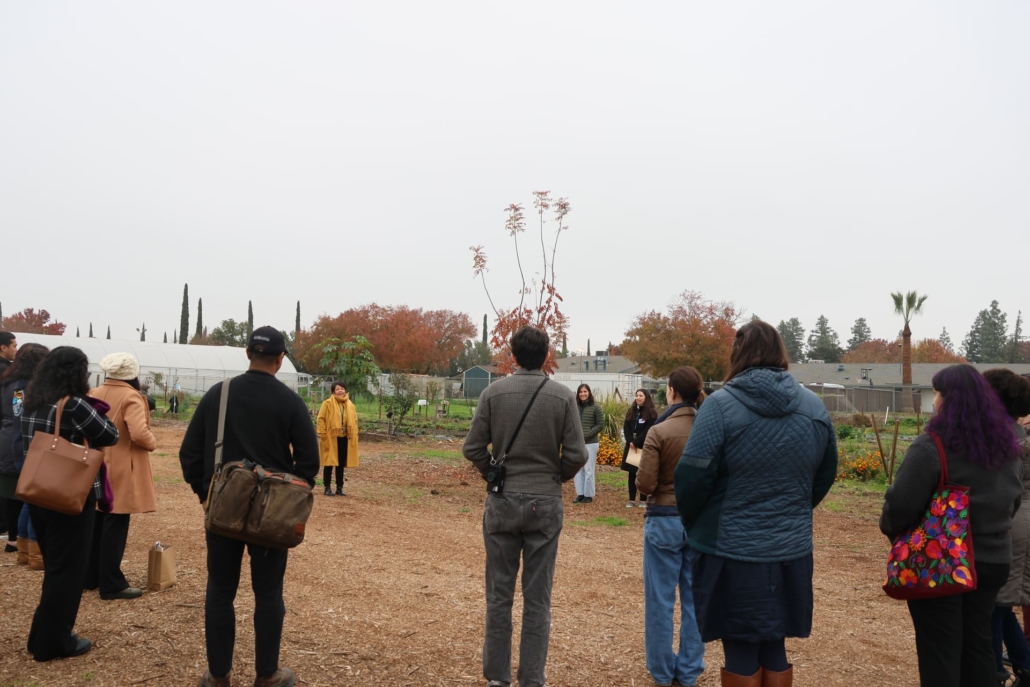
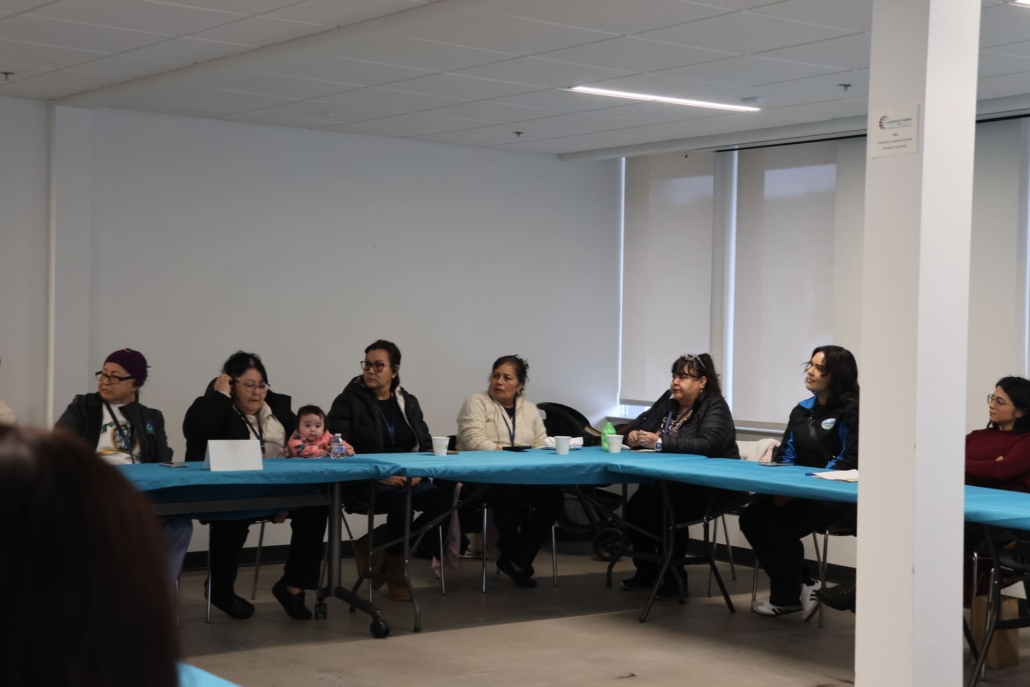
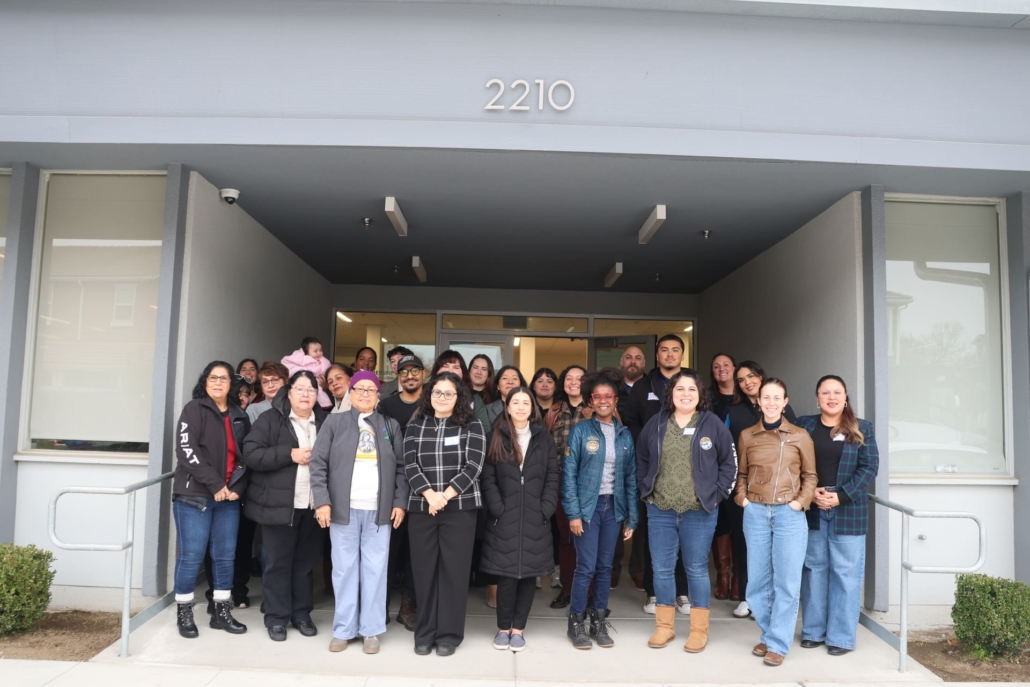
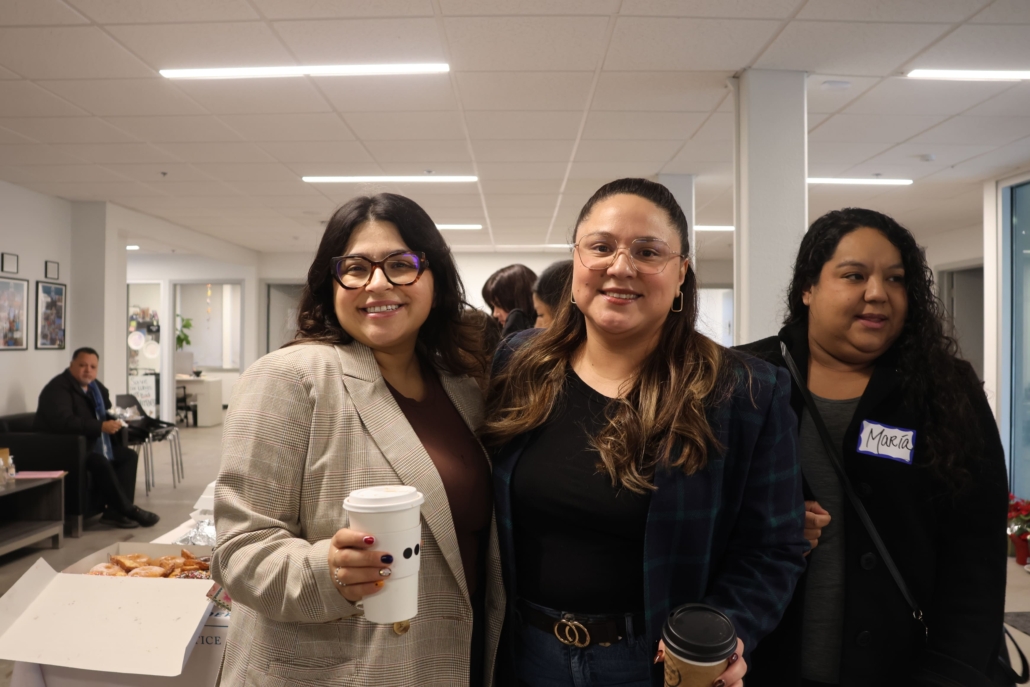
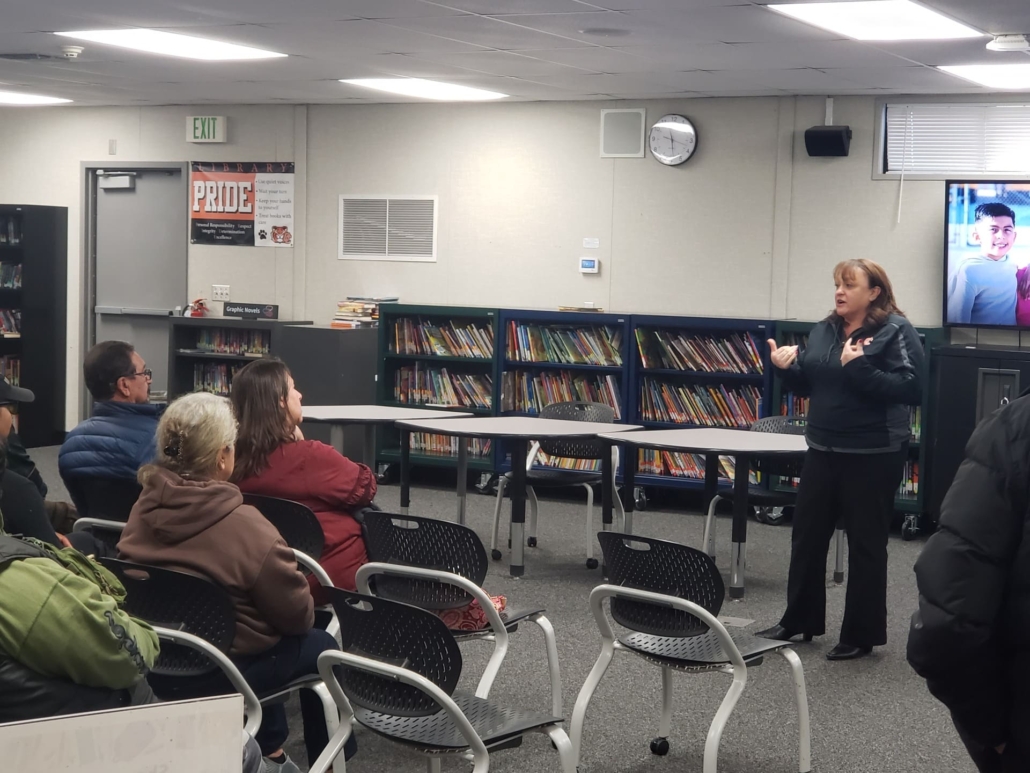
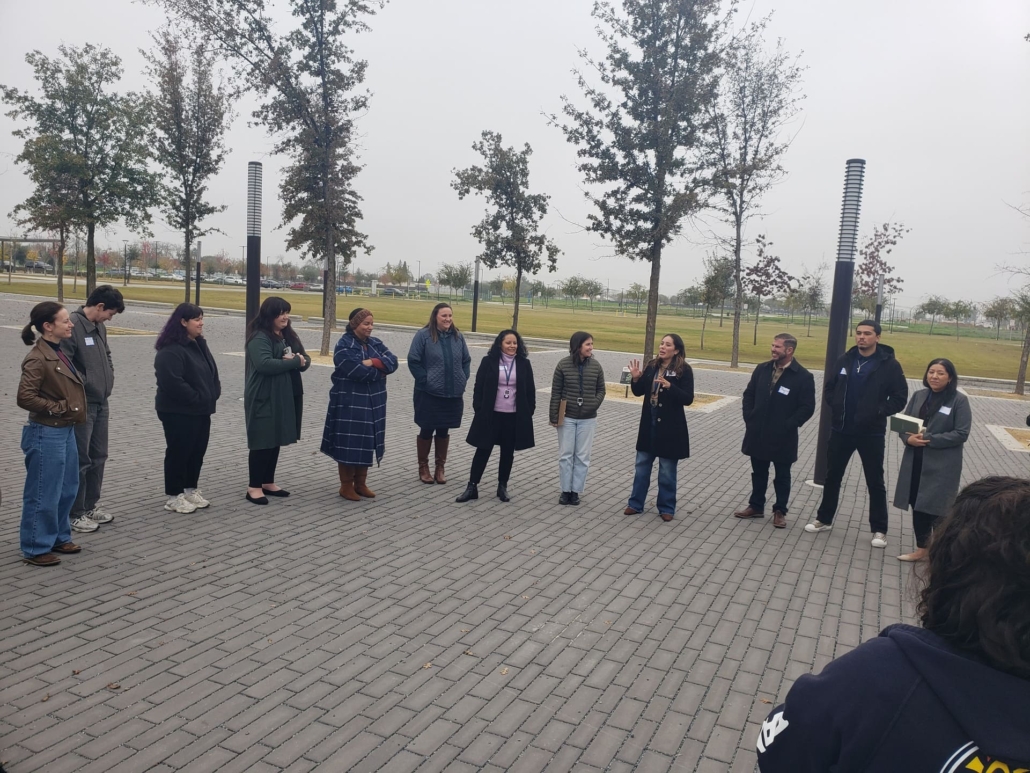
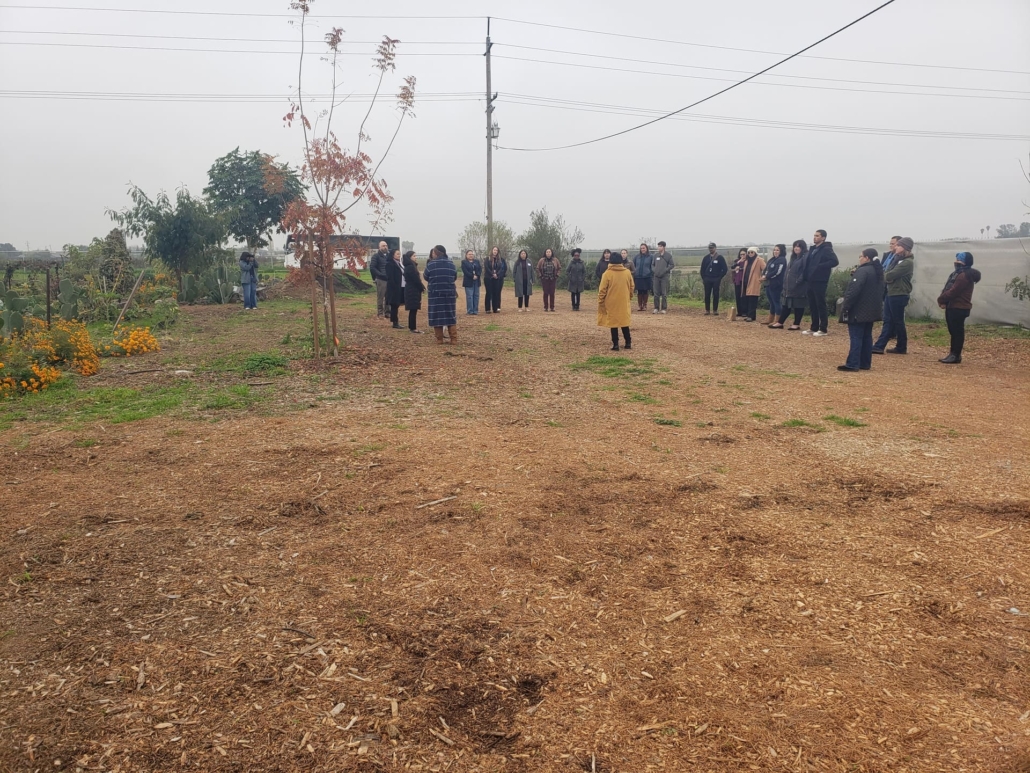
Yesterday, Fresno Building Healthy Communities joined with community and environmental justice partners to take state leaders on a bus tour of South Fresno. It was an invitation to see up close how land-use and economic decisions impact people’s health, schools, and life expectancy.
The tour was co-hosted by Leadership Counsel for Justice and Accountability, the Central California Environmental Justice Network, Community Water Center, and the Center on Race, Poverty, and the Environment, alongside Fresno BHC. Assemblymember Joaquin Arambula joined the tour in person, and staff from the offices of Assemblymember Esmeralda Soria and Assemblymember Cottie Petrie-Norris participated as well. Together, we moved through neighborhoods that have carried the burden of pollution for generations.
The distance we traveled wasn’t far. In fact, it was only a few miles.
But in Fresno, just a few miles can mean the difference between life and death.
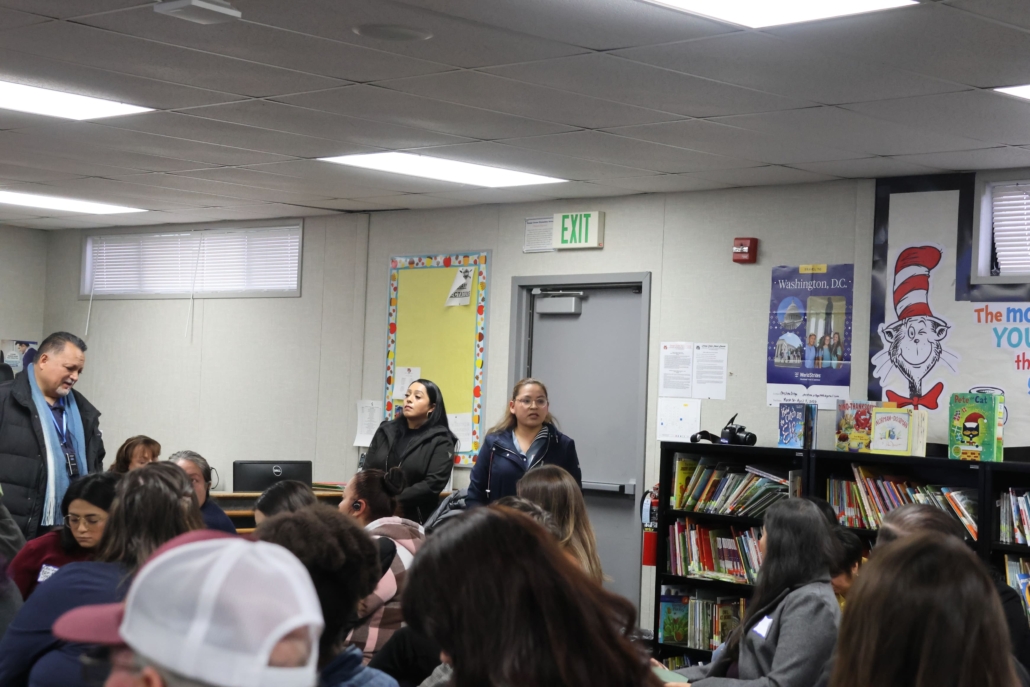
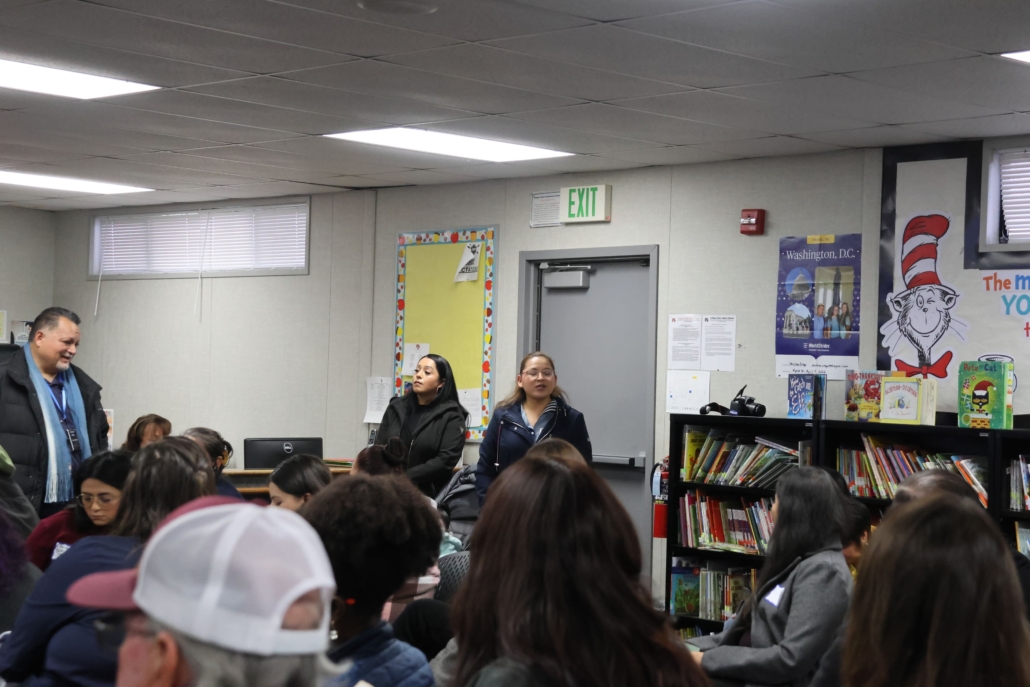
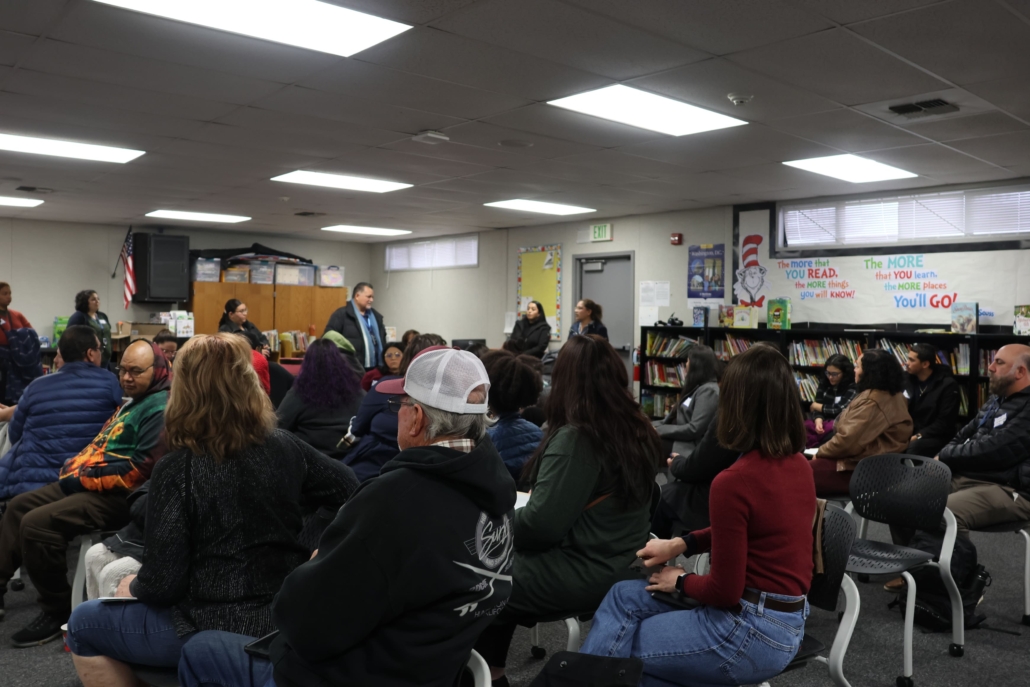
Orange Center Elementary School
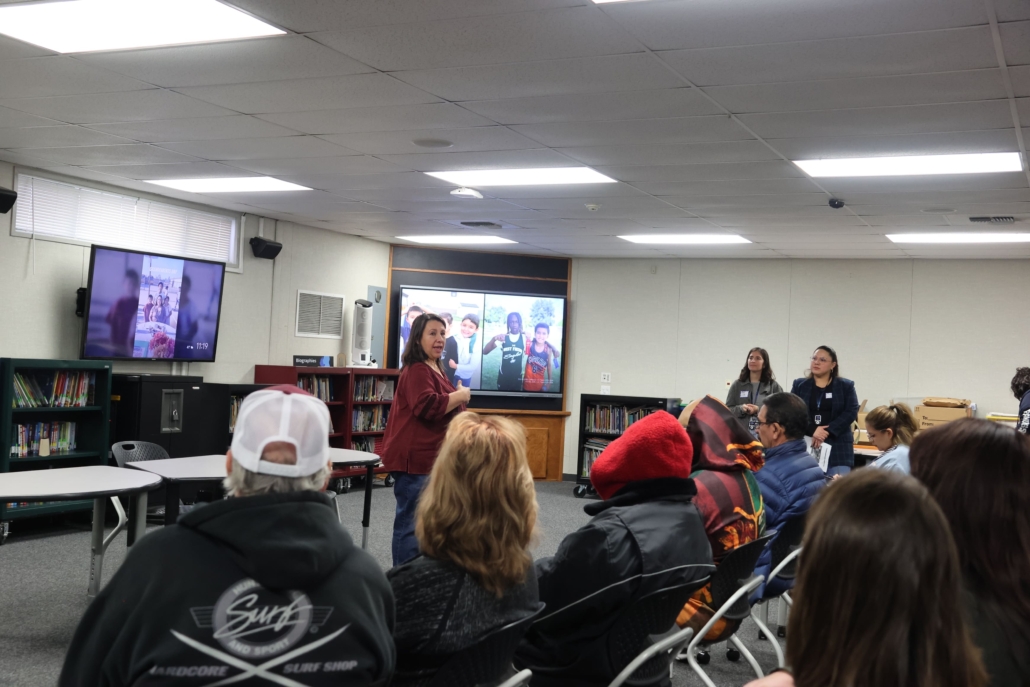
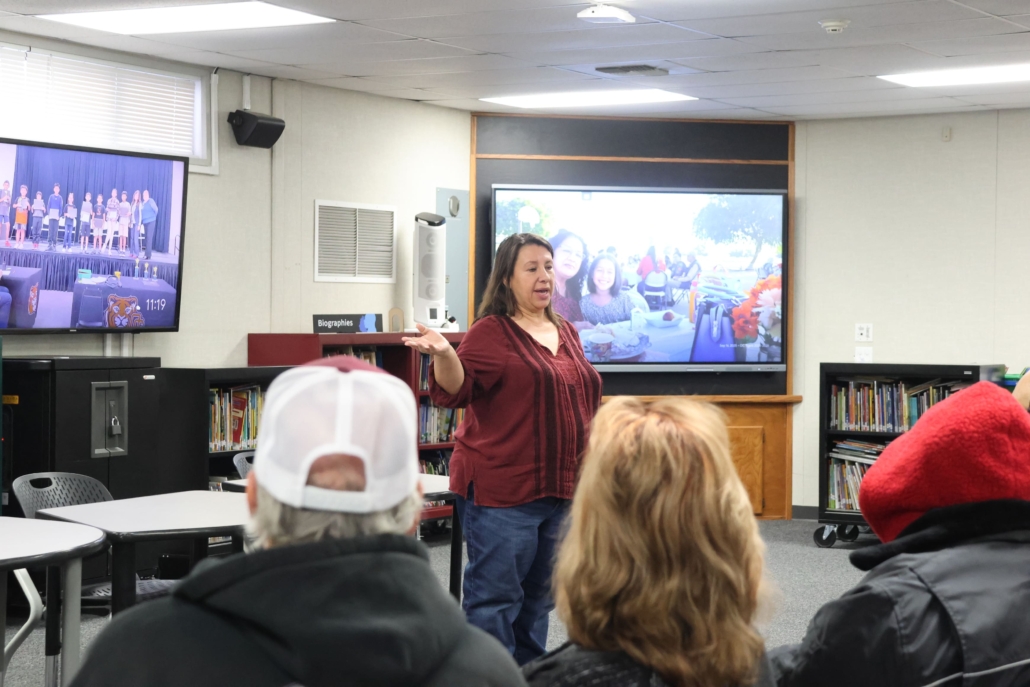
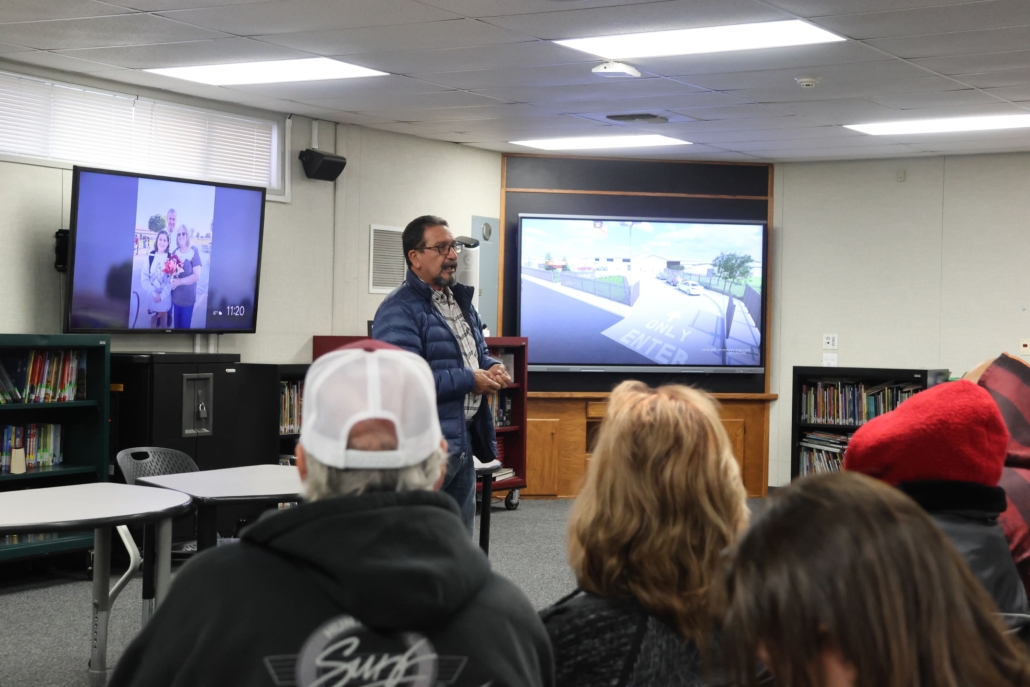
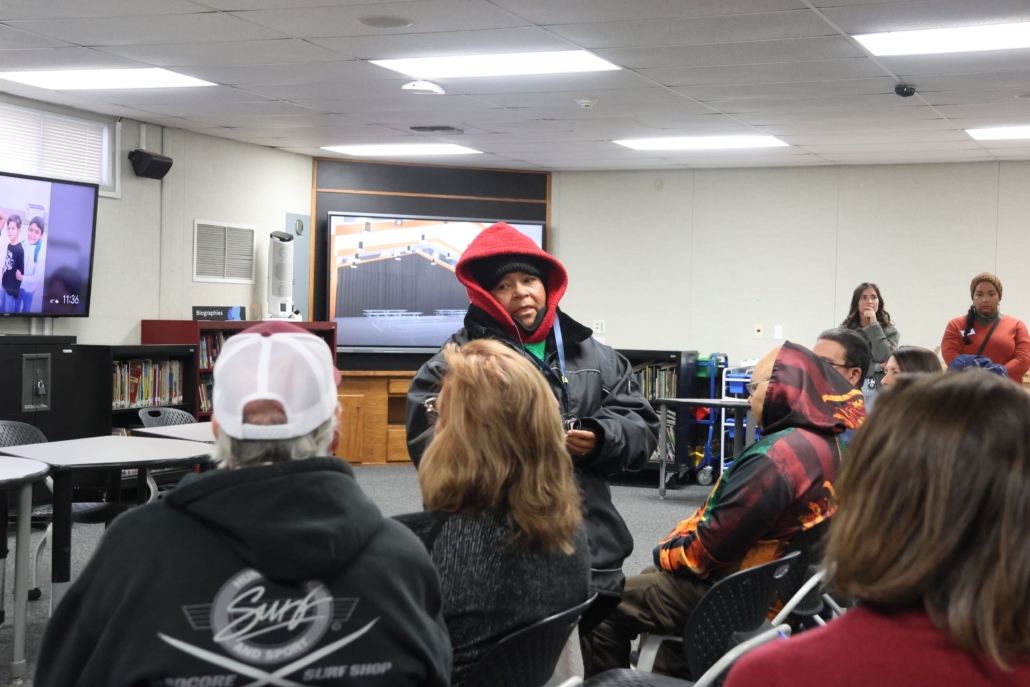
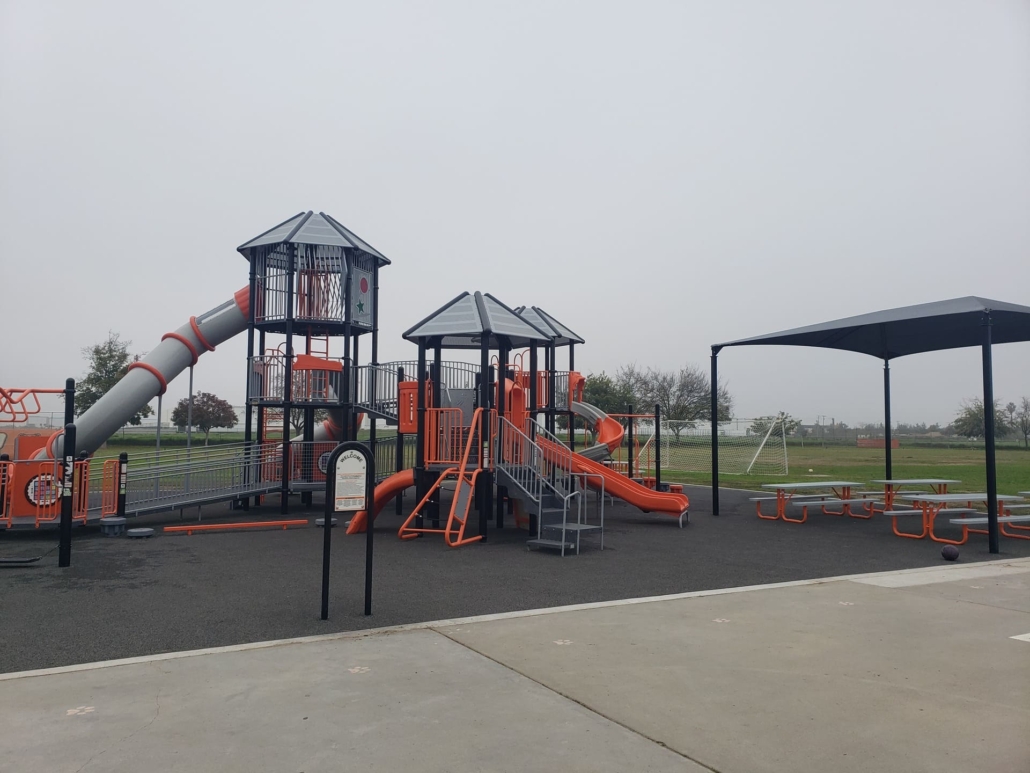
We began at Orange Center Elementary School. The school serves slightly over 250 students representing 13 district areas, offering dual immersion programs, folklorico, Hmong dance, and deep cultural pride.
It was built for 500 students. Today, it serves half that number.
Not because families don’t love the school, but because the neighborhood around it has been carved up by industrial land use.
Orange Center was established in the late 1800s, long before this part of Fresno was treated as an industrial corridor. Over time, housing disappeared, replaced by warehouses, truck routes, and pollution. Parents told us that children used to ride bikes to school. Now, they can’t. The roads are too dangerous. Hundreds of trucks pass daily, 24 hours a day, six days a week.
Parents now must drive or bus their kids, even when they live nearby. When the students go outside to play on their playground, they can see massive warehouses within easy walking distance of their campus.
While children in North Fresno enjoy expansive trails and safe routes to school, families here are asking for something far more basic.
“We just want to live. We just want to breathe.”
Pollution doesn’t stop at district boundaries. What happens here affects families across Fresno County. Asthma rates climb. Kids get sick. Parents miss work. The cycle continues.
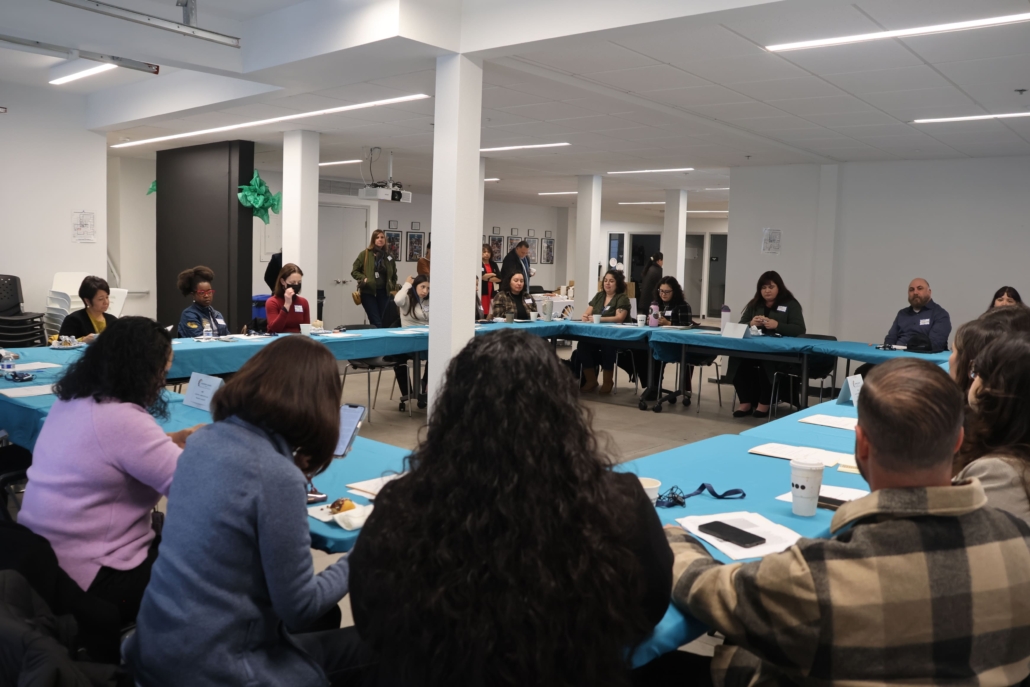
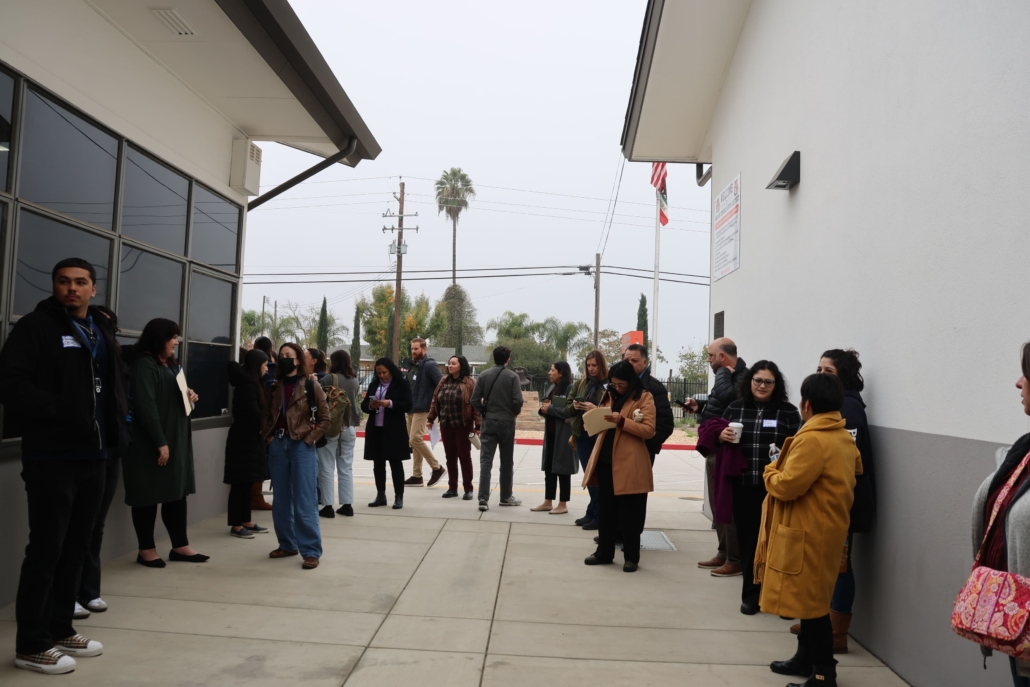
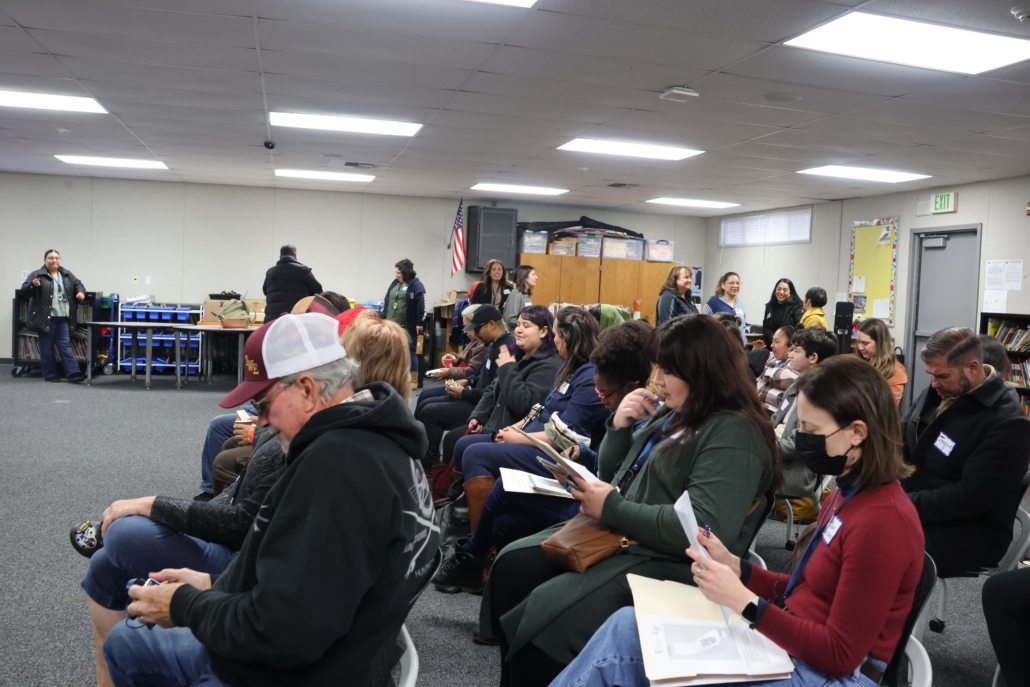
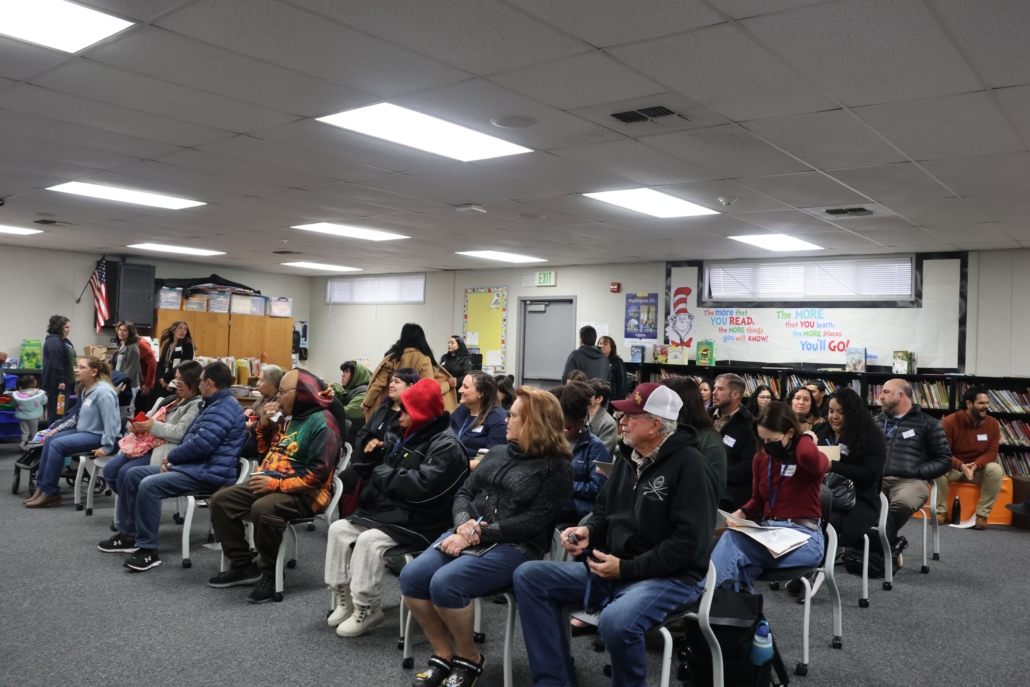
Image Gallery – 1 of 2
Environmental Justice Bus Tour
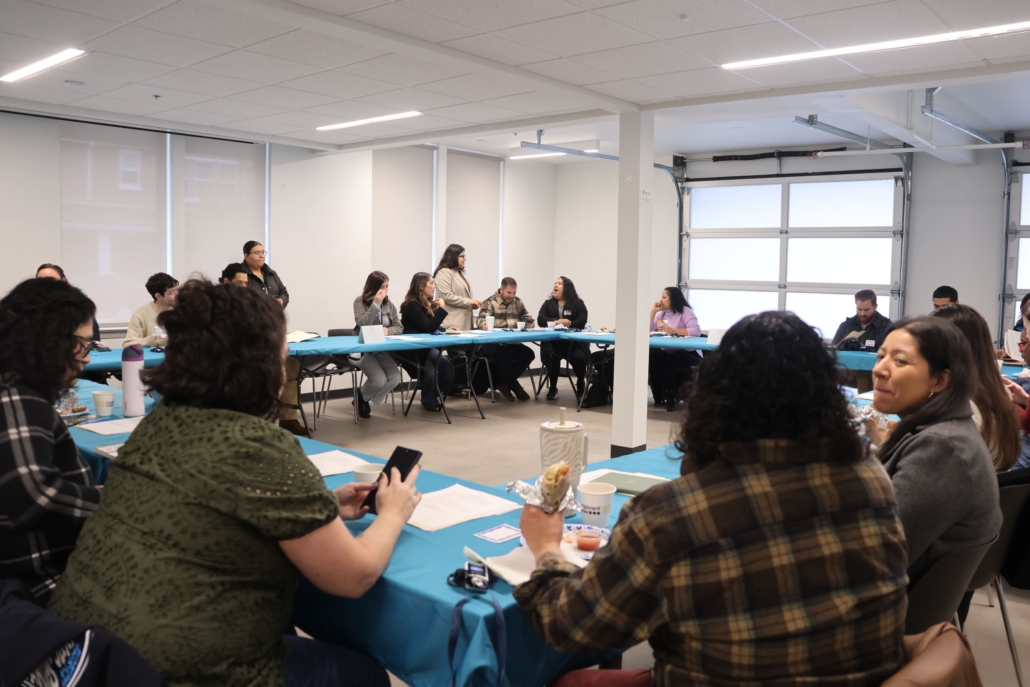
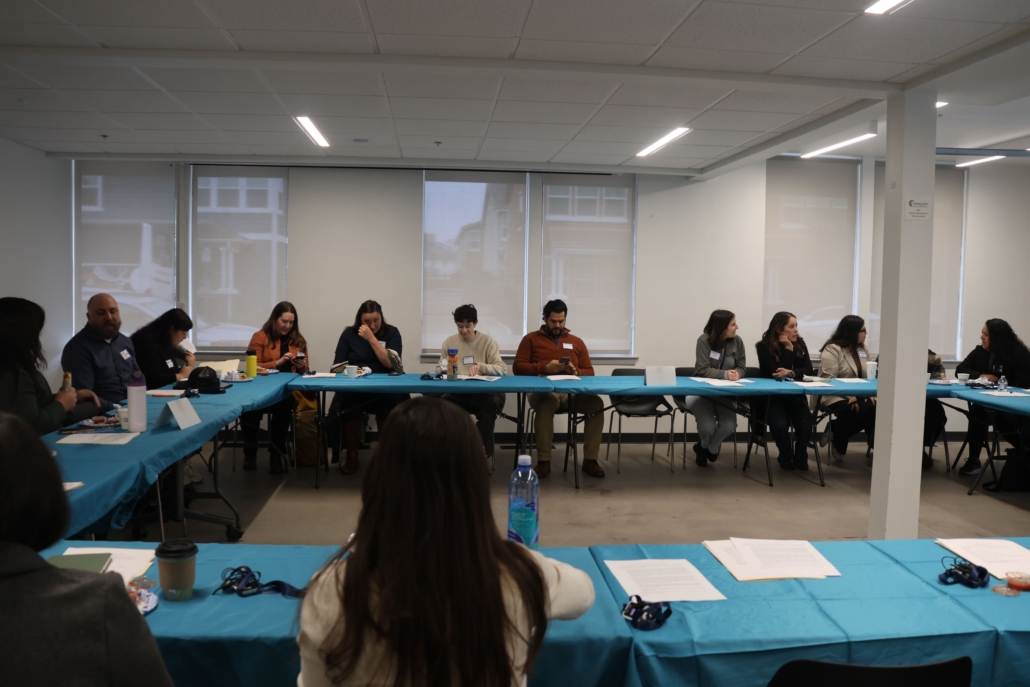
Browse the gallery below to relive the highlights of this event.
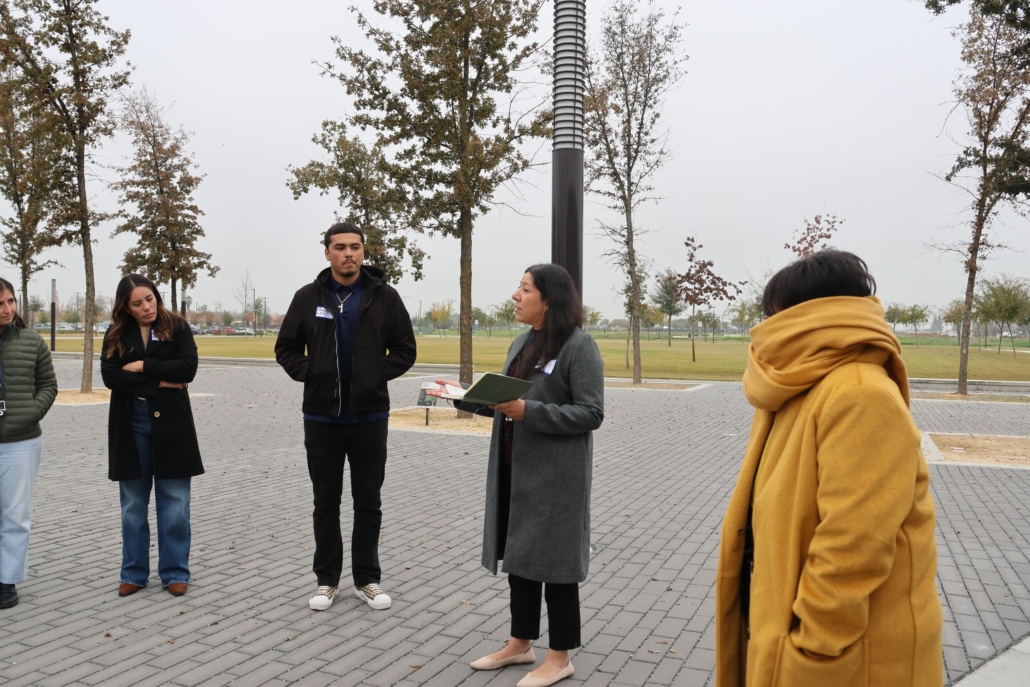
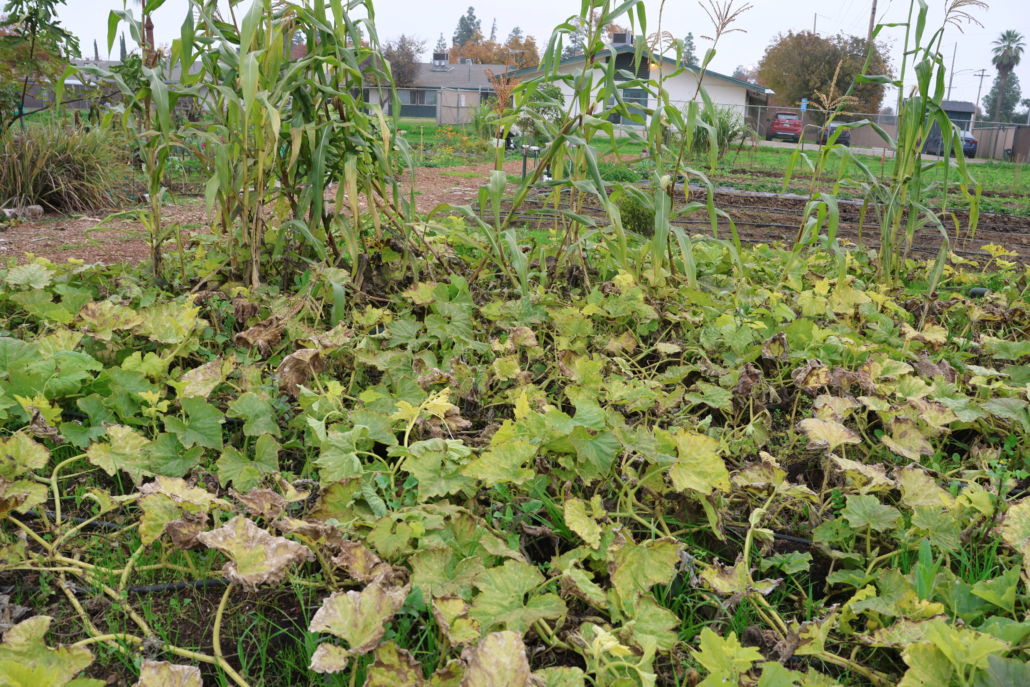
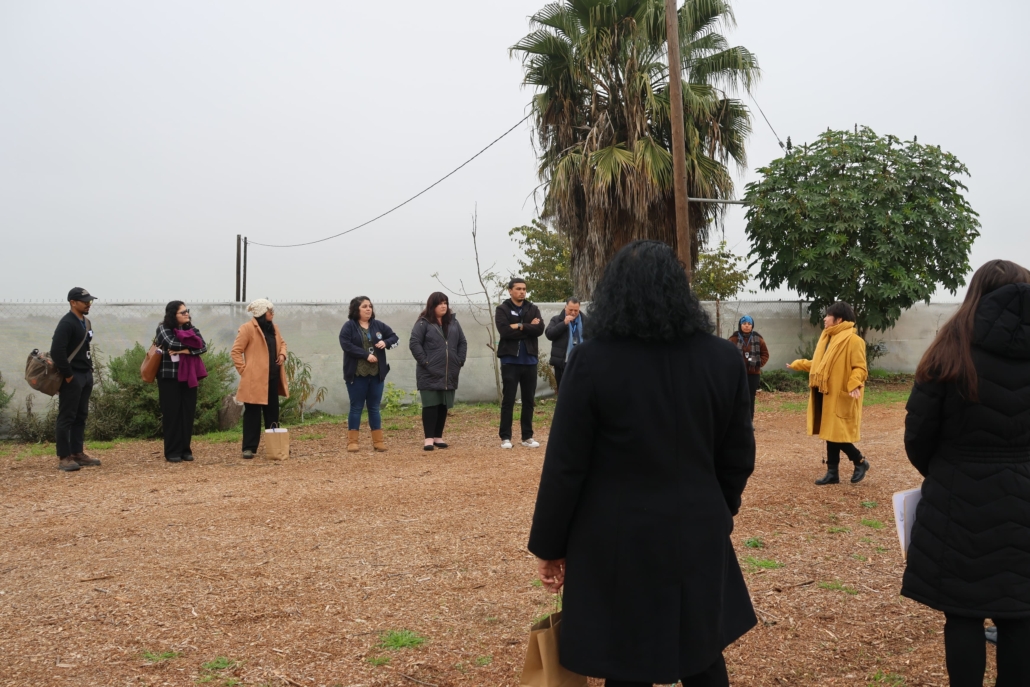
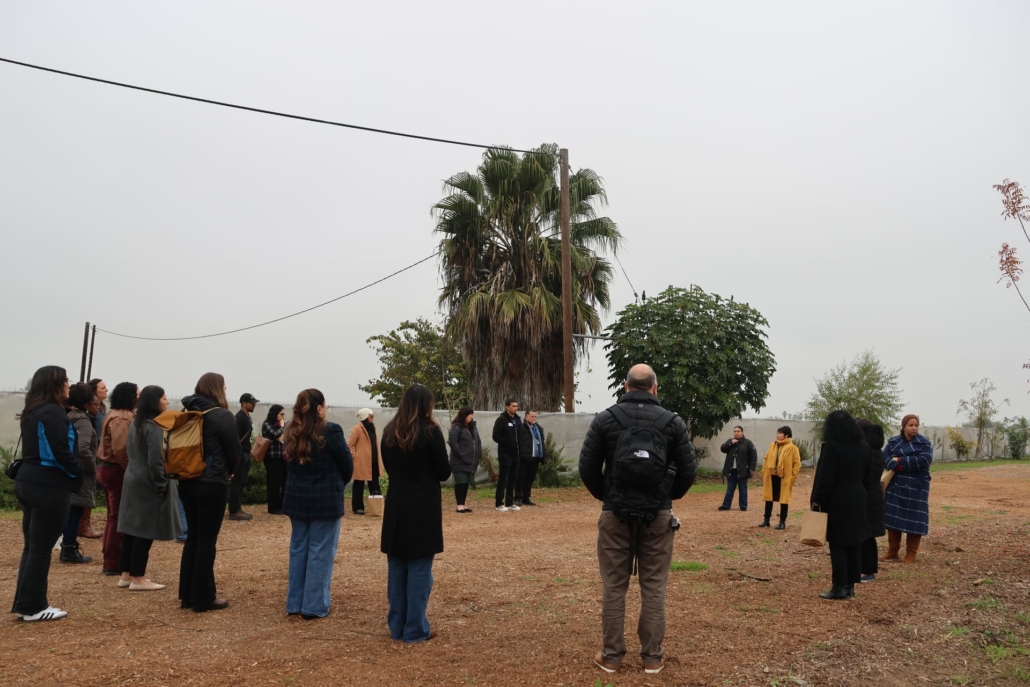
Calwa and Malaga
It was impossible to ignore the patterns as we drove through Calwa and Malaga. Warehouses. Rail lines. Freeways. Glass plants. Biomass facilities. Truck depots.
These are not randomly placed.
It’s no coincidence that so many pollution sources are concentrated in the same zip codes.
When elected officials and special interests allow one part of the city to absorb all the environmental harm in the name of “economic growth,” they are making a deliberate choice about who that growth is for.
Yet in Fresno we continue to hear, “This is how we’ve always done things.”
What that really means is, “We’ve always poisoned families in South Fresno. We’ve always accepted children getting sick and dying else could profit.”
What they are really saying is that even when they have the power to change, to support families, to think differently, they choose not to.
Transformative Climate Communities (TCC) Site in West Fresno
At the TCC site in West Fresno, legislators saw what happens when residents lead the planning process. in 2018, $70 million was invested in Southwest Fresno, Chinatown, and Downtown through a community-driven vision. When residents led the process, this was the result:
- Fresno City College – West Fresno Center
- The Monarch @ Chinatown
- The Southwest Fresno Trail
- Mariposa Plaza
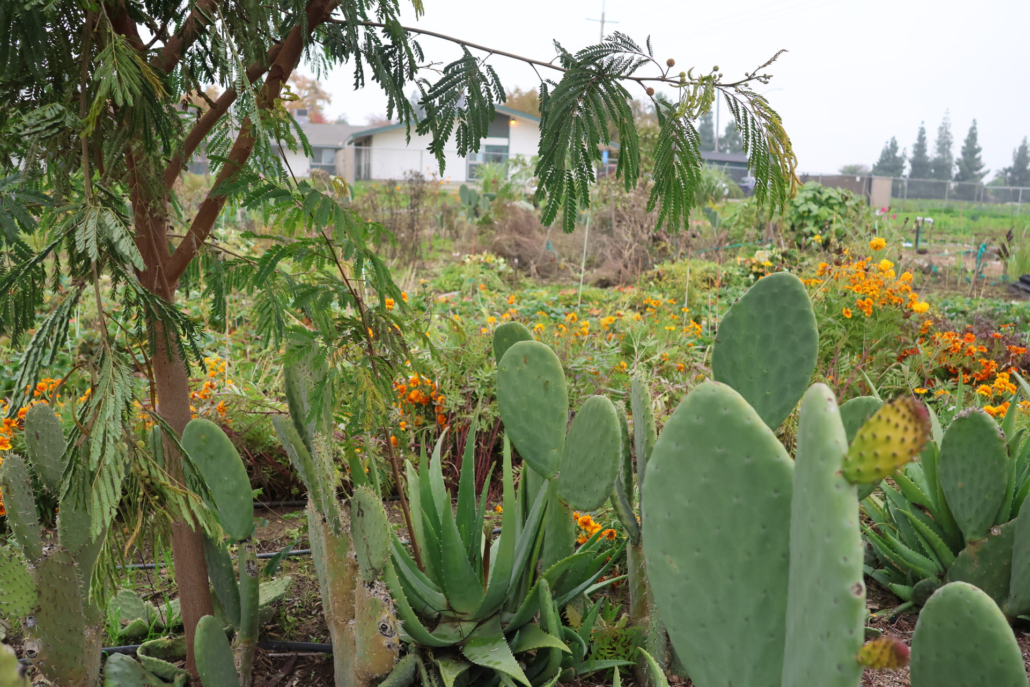
- Yo’Ville Community Garden & Farm
Cleaner transportation options.
As we had seen in other areas of Fresno, this was not accidental. It was intentional.
Image Gallery – 2 of 2
Environmental Justice Bus Tour
Browse the gallery below to relive the highlights of this event.
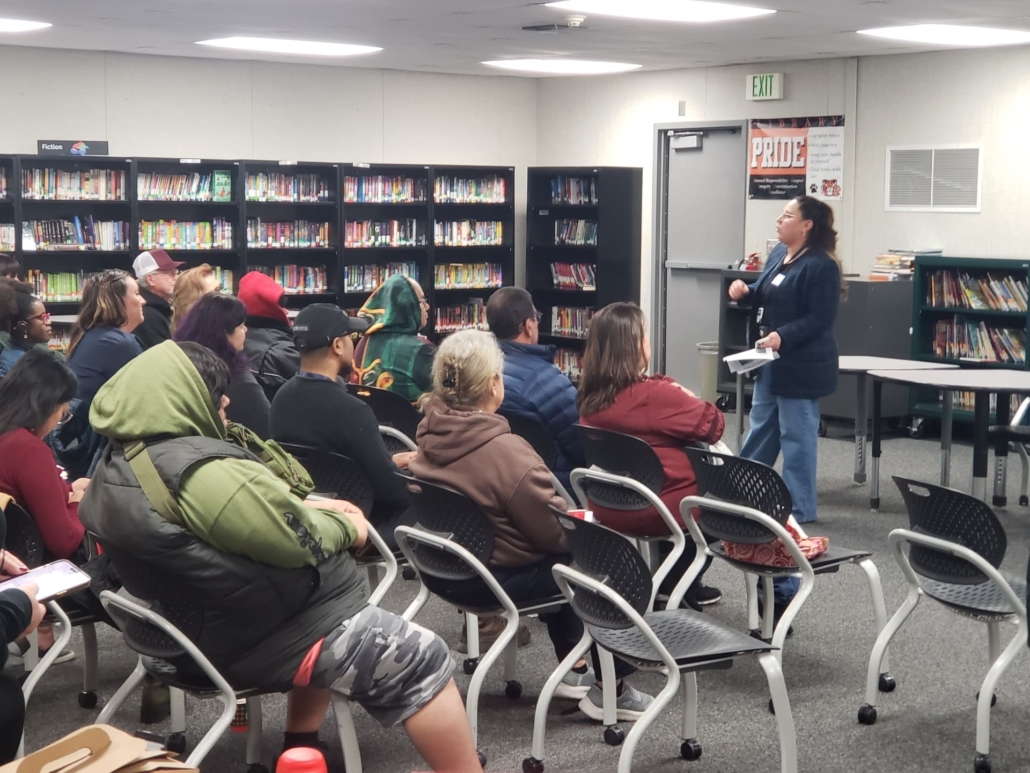

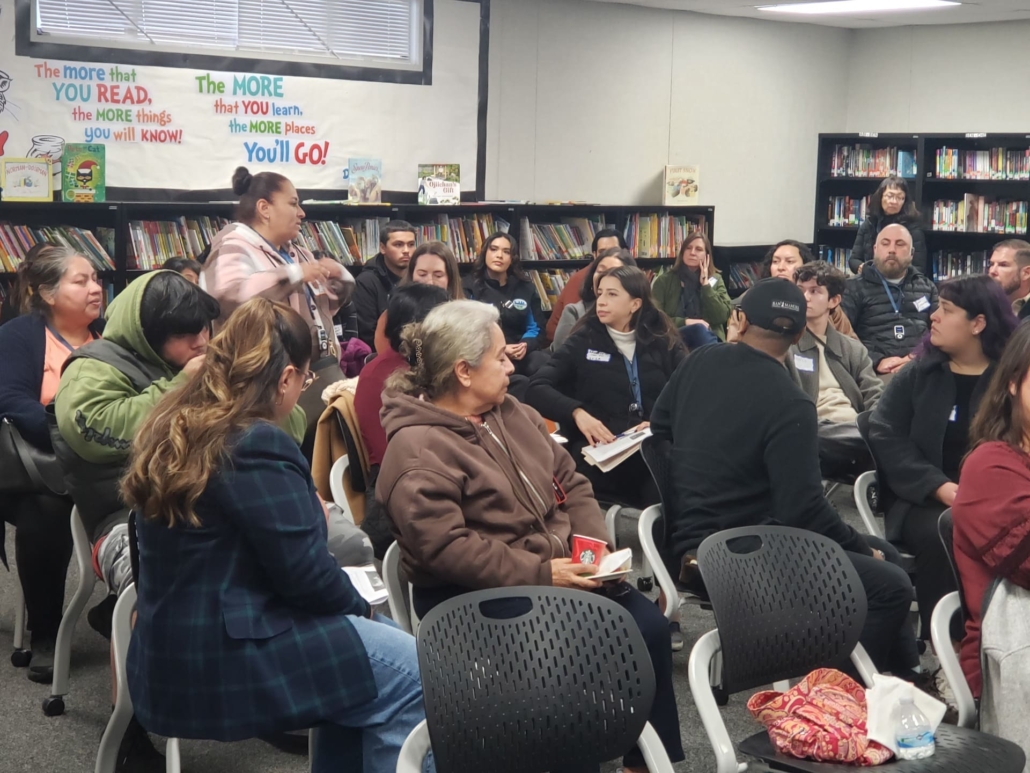
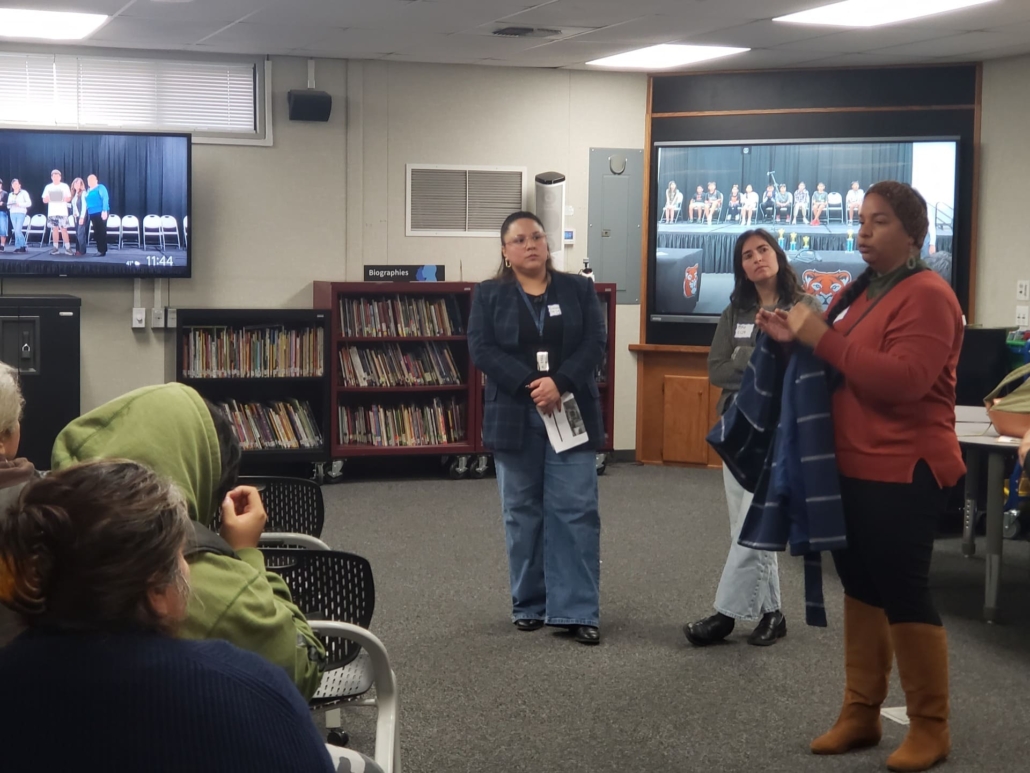
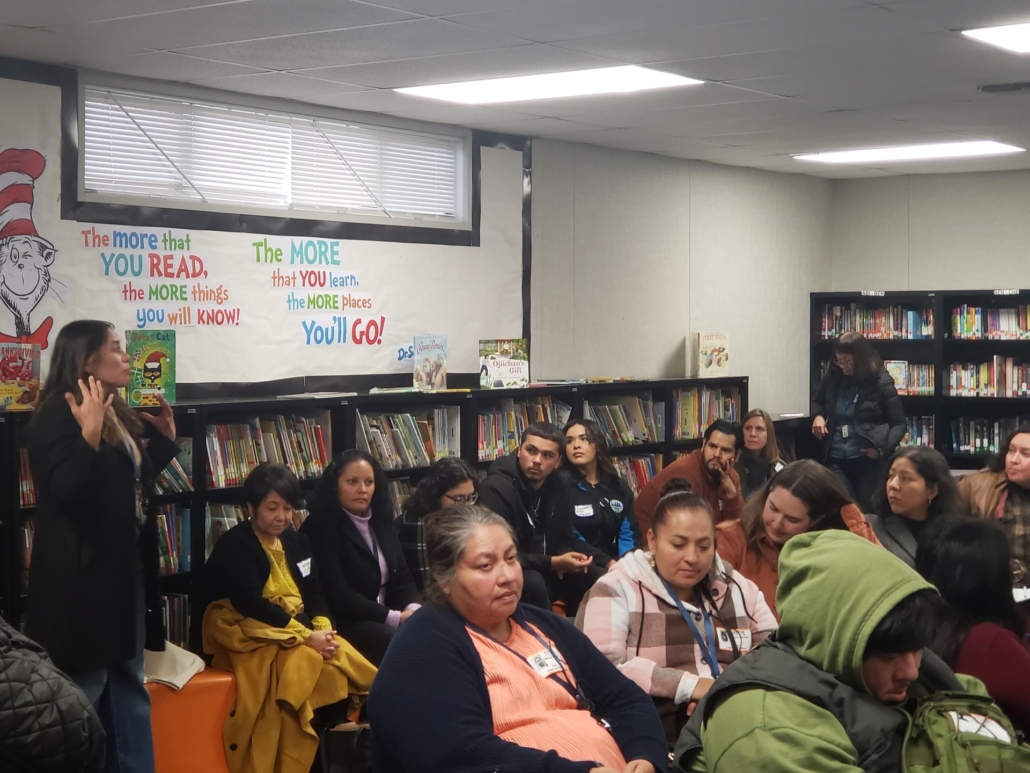
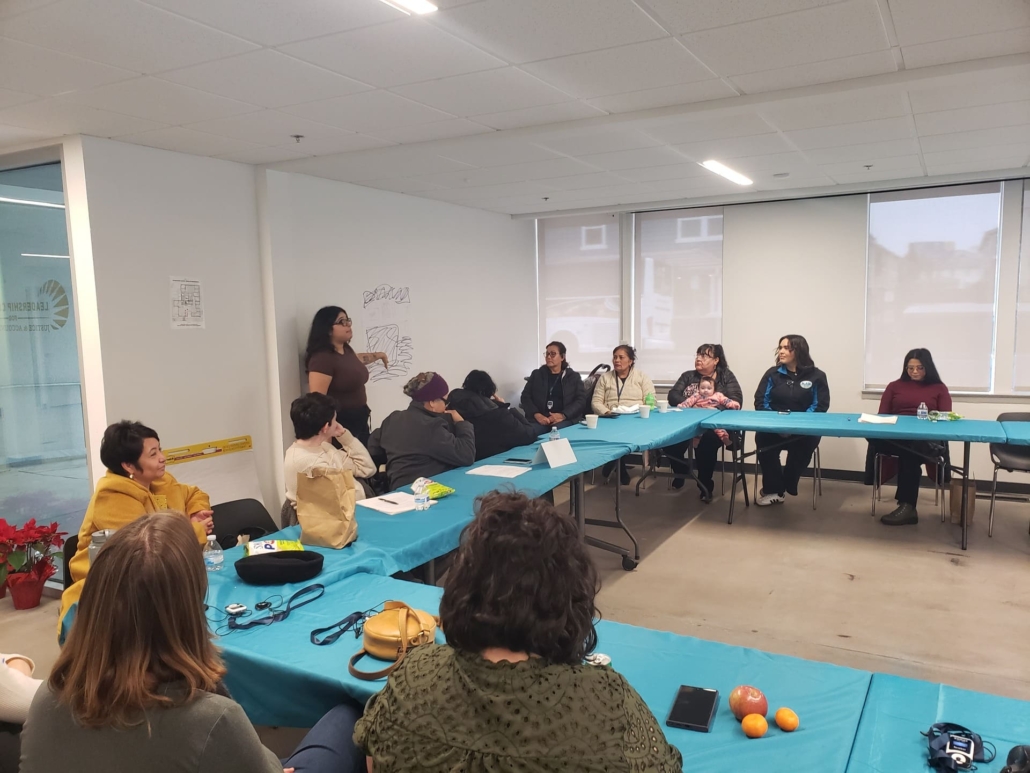
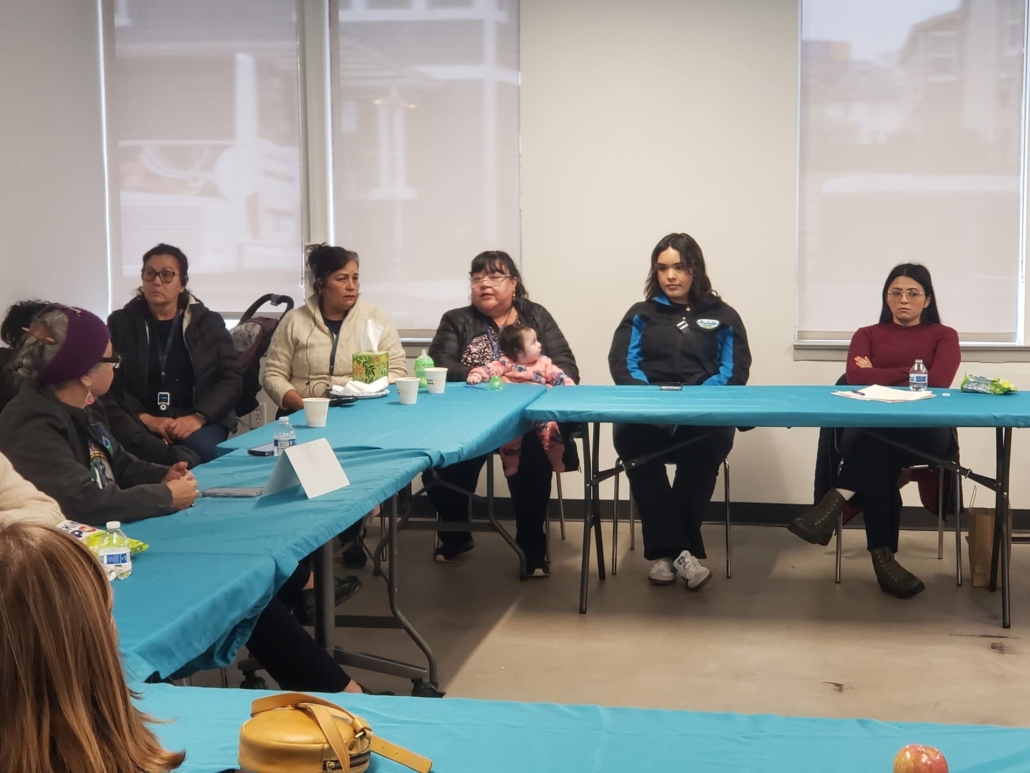
The difference was who was at the table.
When the community leads, you get schools, trails, housing, and decisions that support
families. When community is excluded, you get warehouses, toxic pollution, and the
destruction of neighborhoods.
La Milpa Community Garden
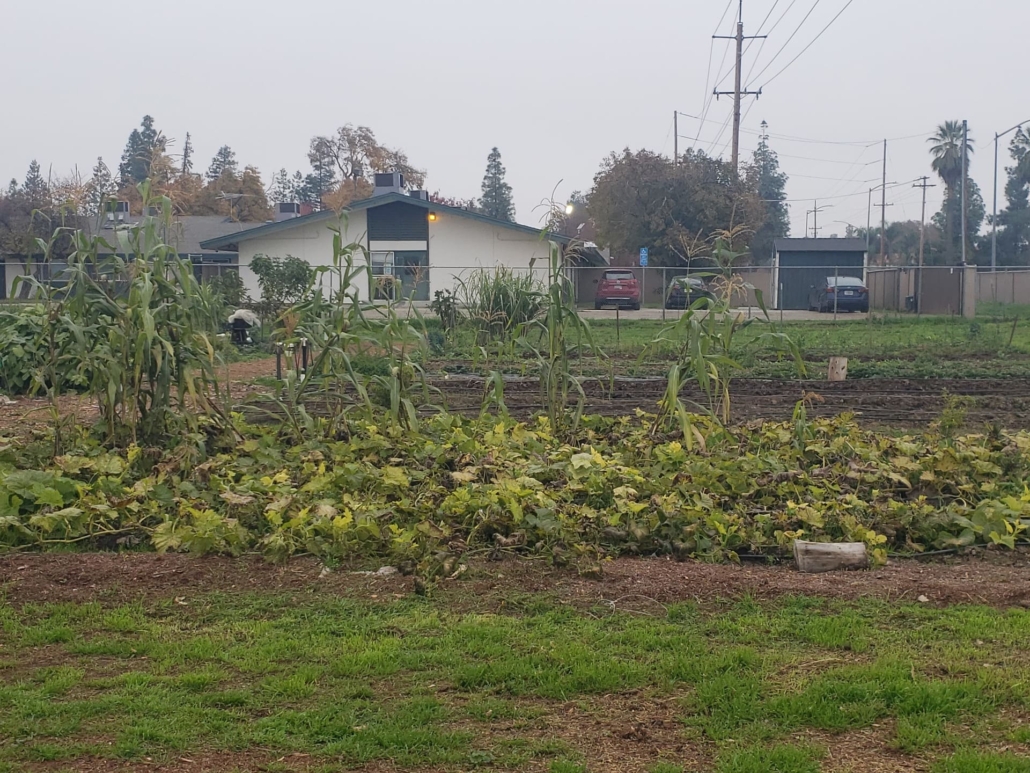
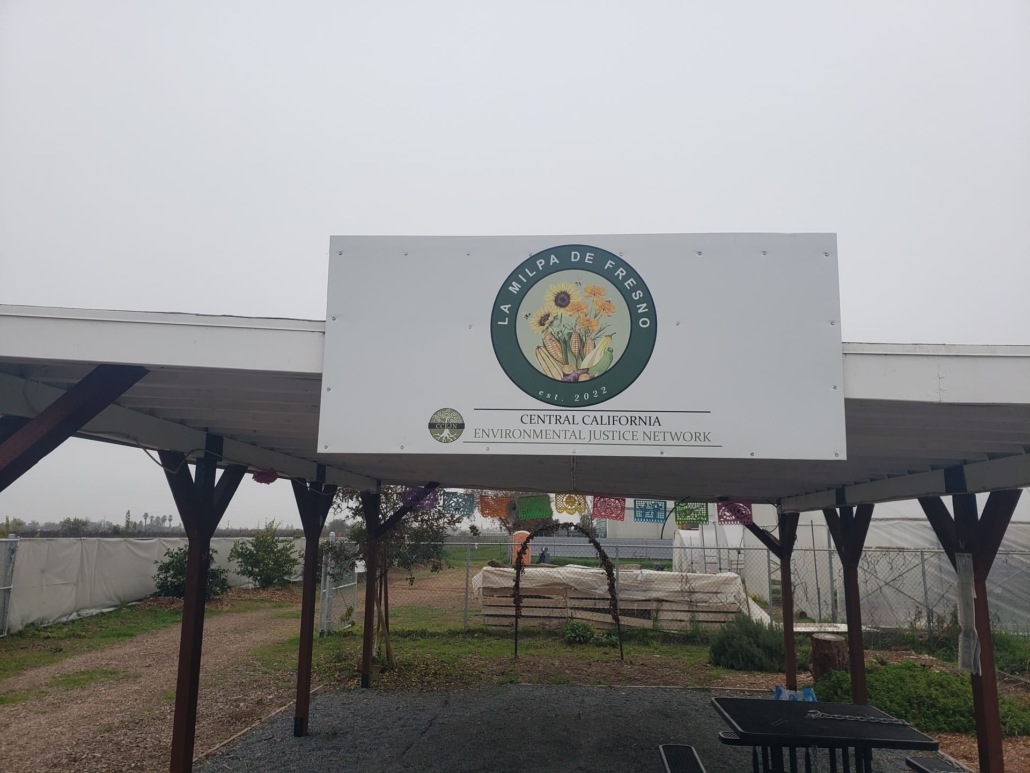
Our final stop was La Milpa Community Garden, a place rooted in food, health, and culture. As solar development is proposed nearby, residents were clear that while clean energy matters, large-scale solar projects must come with meaningful Community Benefits Agreements. If energy projects enter these areas, they must benefit the people who live there.
Throughout the day, residents and environmental justice leaders kept returning to the same point. South Fresno is treated like a sacrifice zone. Economic development too often means destroying one part of the city in service of another.
The point of this bus tour was to show our state leaders that these outcomes are not inevitable. They are the result of choices. And choices can change.
South Fresno families are asking for protection and fairness. They are asking for the right to live, work, and raise children without being poisoned in the process. And until economic development no longer means the difference between who lives and dies in Fresno, our work is not done.
Read Our Newsletter
Latest News

 Fresno County Planning Commission DENIES CEMEX Rockfield ExpansionOctober 9, 2026 - 9:30 amin: Outdoor Access
 A Third Win for Fresno Voters: Appeals Court Rules City Alone Must Pay Legal Fees in Measure P FightOctober 8, 2026 - 5:13 pmin: Outdoor Access
 West Fresno County Communities Demand a Voice in the World’s Largest Solar ProjectSeptember 23, 2026 - 1:38 pmin: Land Use

 Measure S Is the Only Real Transportation Fix on November’s BallotAugust 27, 2026 - 9:25 pmin: Transportation