Did Caltrans Shortchange South Fresno? Judge Weighs Highway 99 Expansion Lawsuit
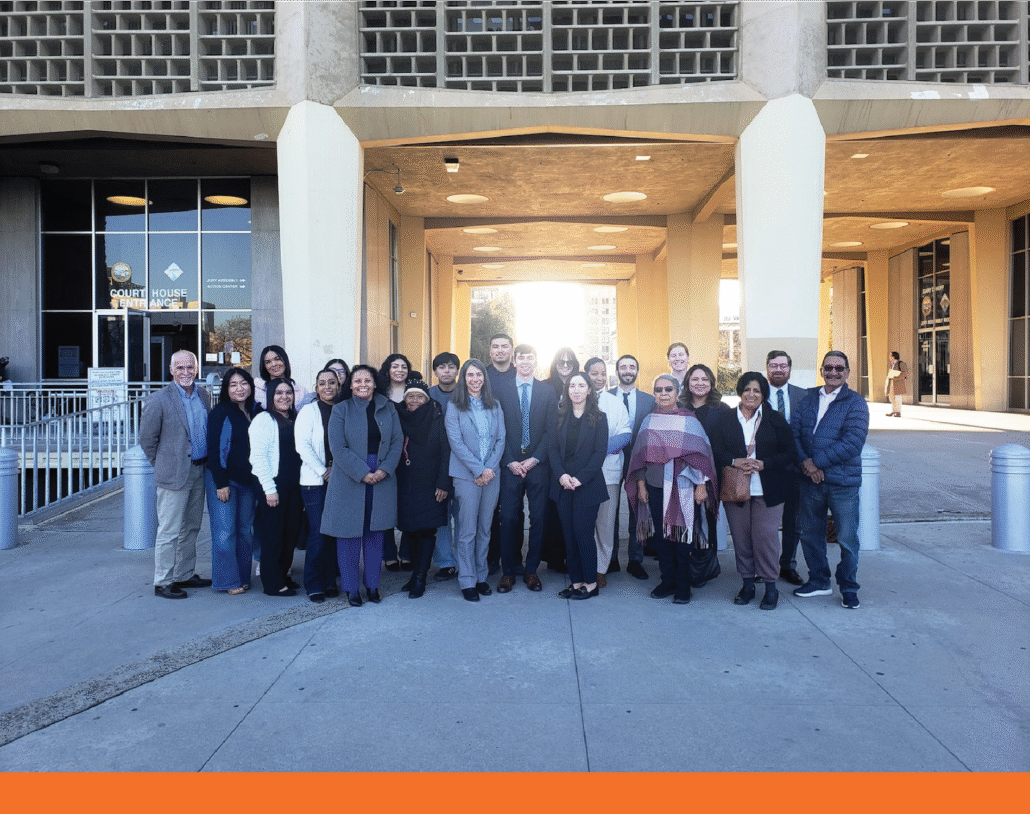
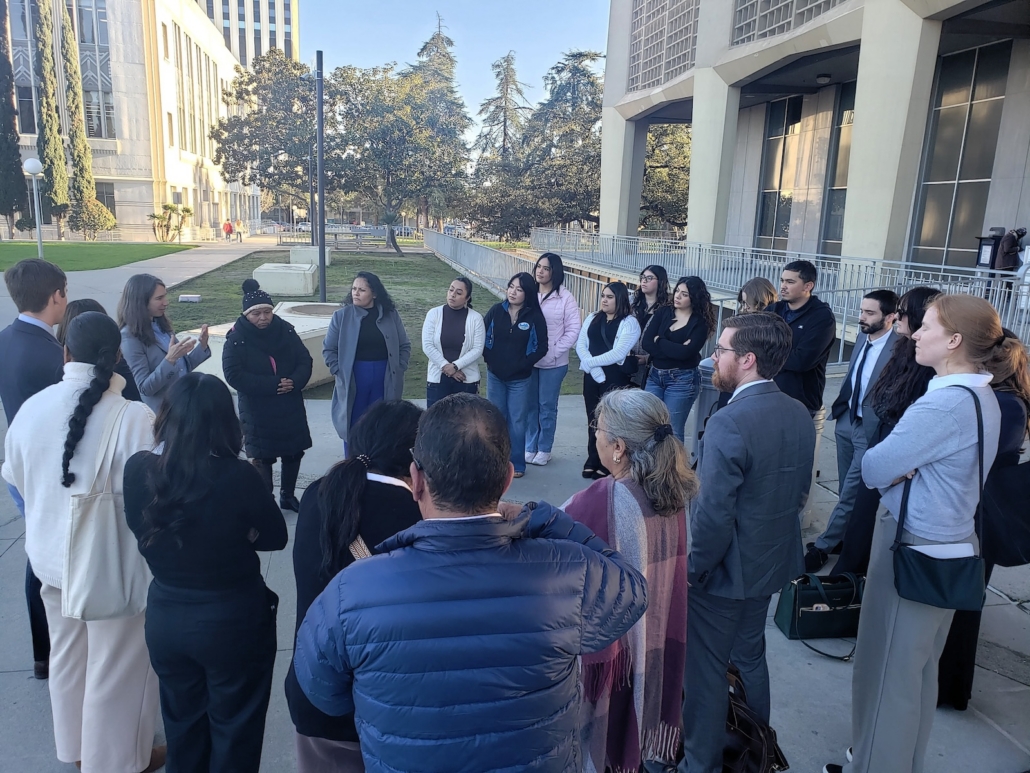
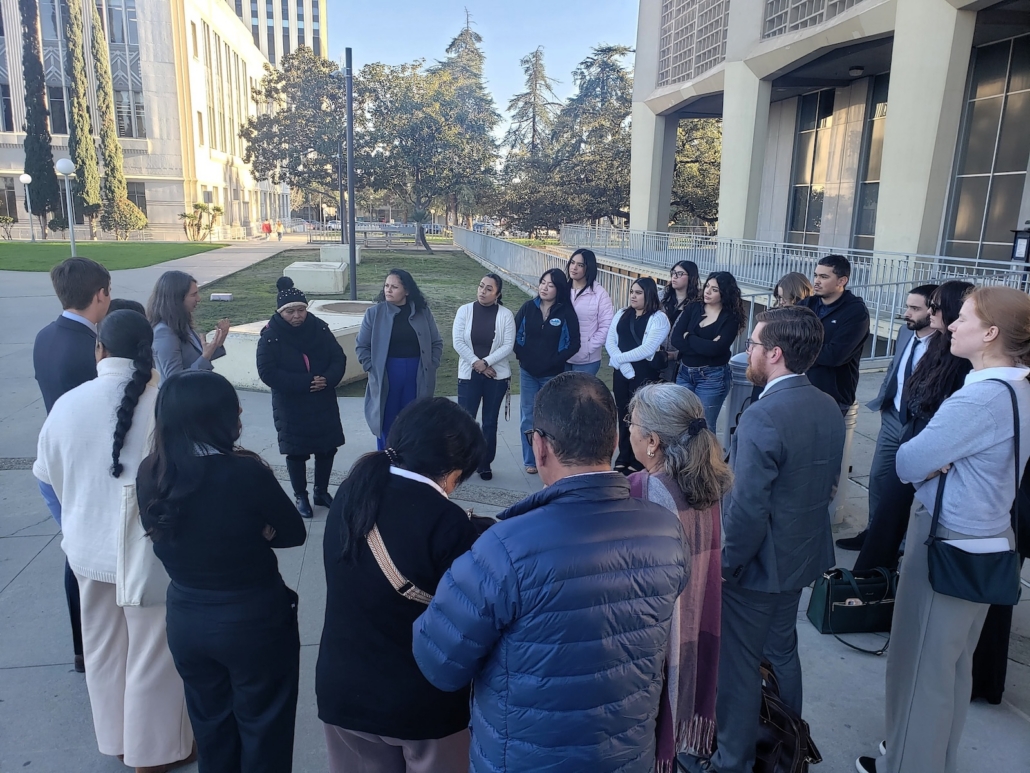
In a Fresno County courtroom earlier this month, attorneys representing community groups and residents delivered a blunt assessment of Caltrans’ proposed Highway 99 expansion in south Fresno.
The agency’s environmental review, they argued, is “riddle with defects, not in one place, not in two, but throughout,” and reflects a pattern of cutting corners rather than fulfilling its legal responsibilities.
Caltrans, they argued, “chose convenience over diligence.”
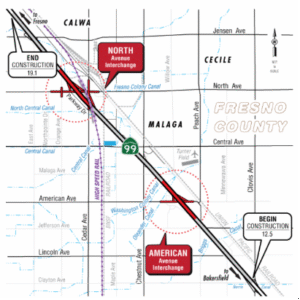
At the center of the dispute is a $150 million plan to construct new interchanges at North and American Avenues along Highway 99. The project would support access to a proposed 3,000-acre industrial park in south Fresno. Supporters frame it as an economic development investment. However, it would significantly increase heavy truck traffic through communities that already experience some of the worst air quality in the nation.
A brief recap:
In 2023, Fresno BHC and Friends of Calwa filed suit against Caltrans, arguing that the agency failed to adequately analyze the health and environmental impacts of the expansion under the California Environmental Quality Act (CEQA). The core claim is that the environmental review did not fully account for the scale of truck traffic the project is likely to generate, nor did it honestly evaluate what that means for nearby neighborhoods.
Image Gallery
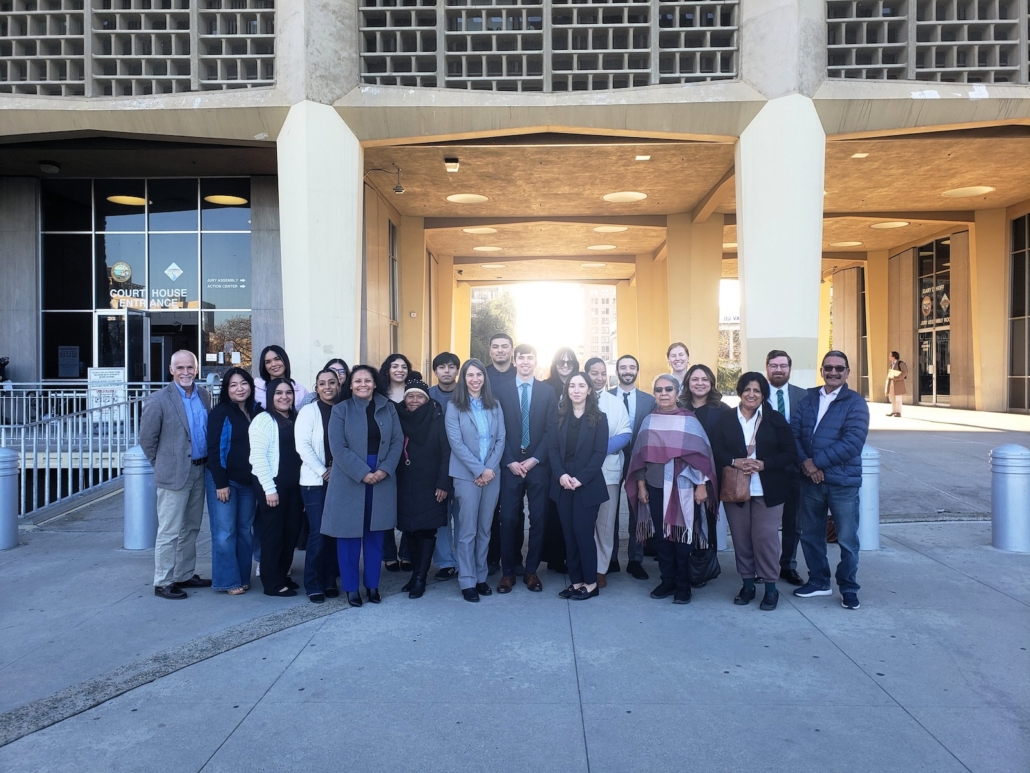
Caltrans Hearing
Browse the gallery below to view images.
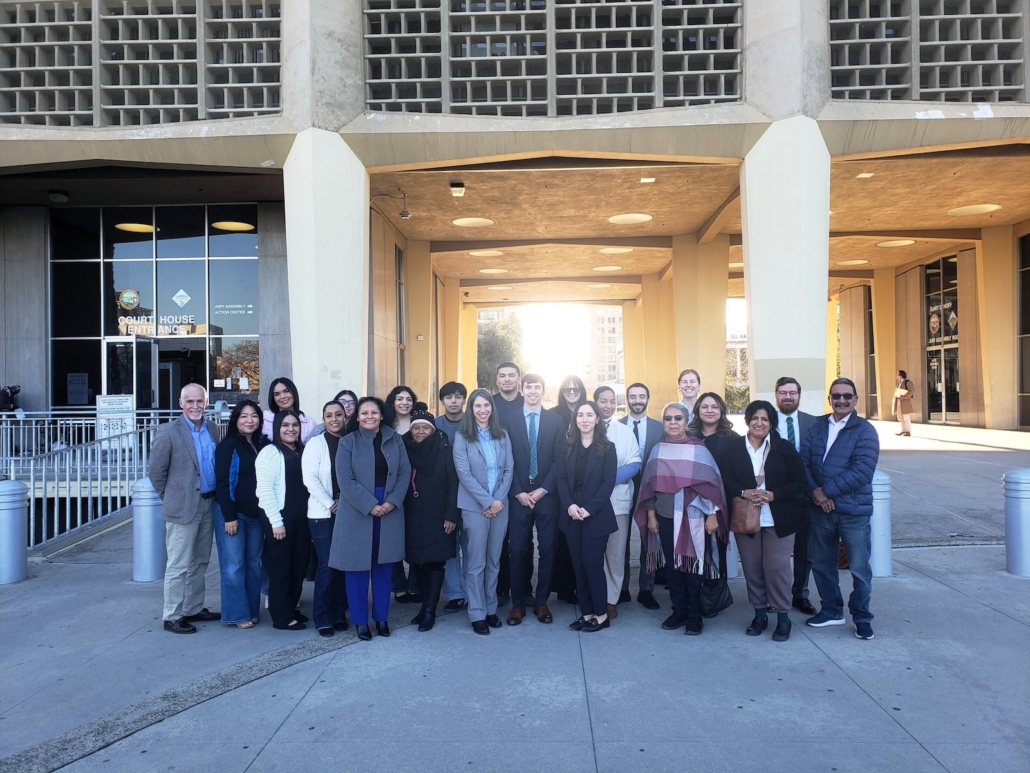
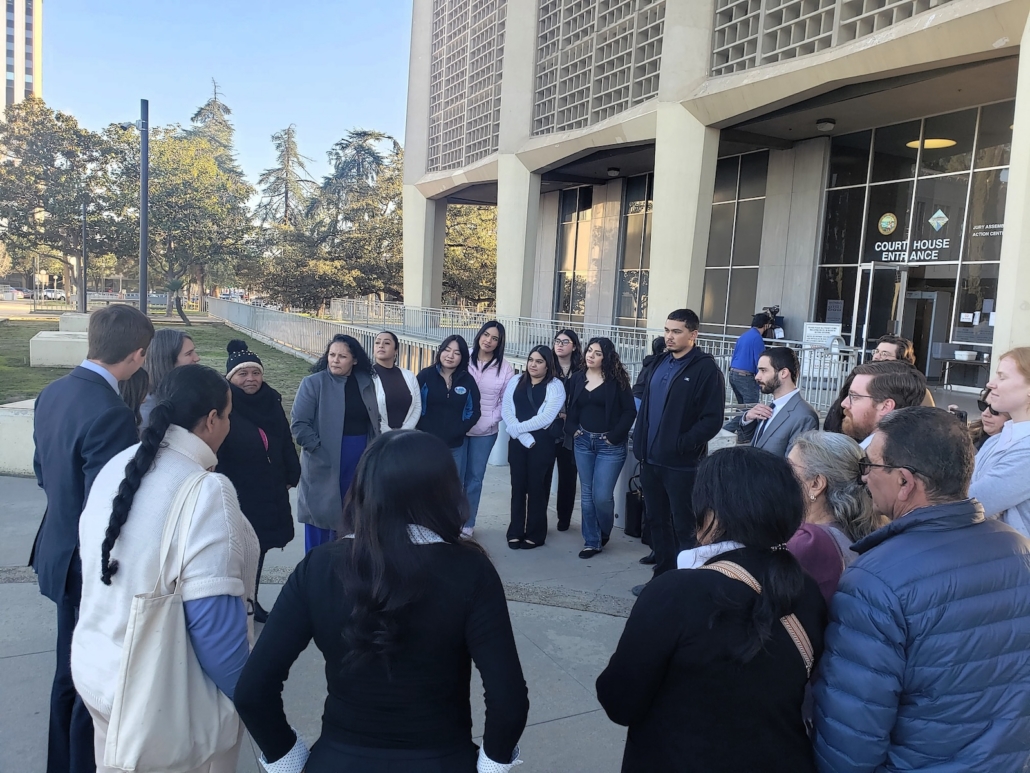
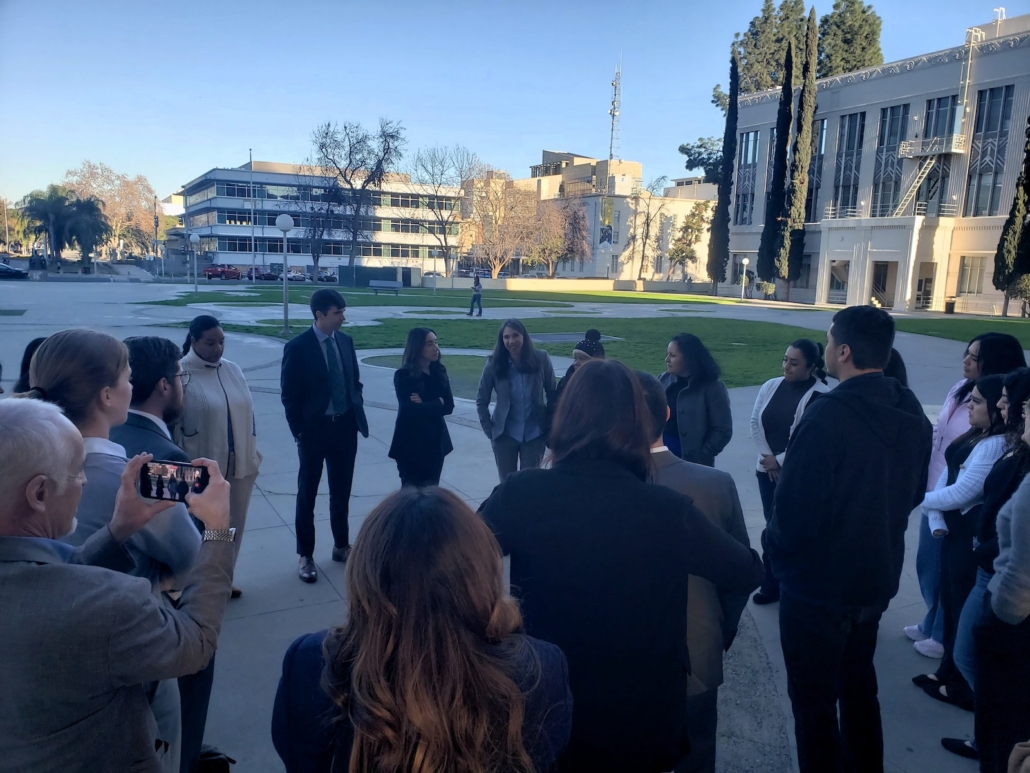
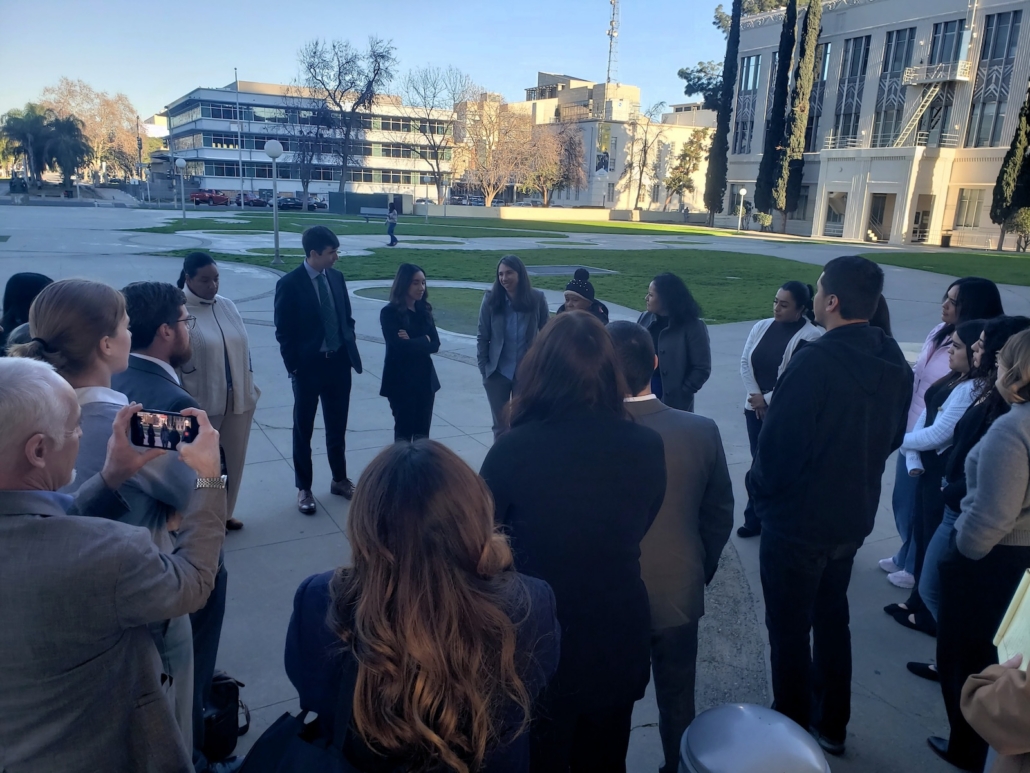
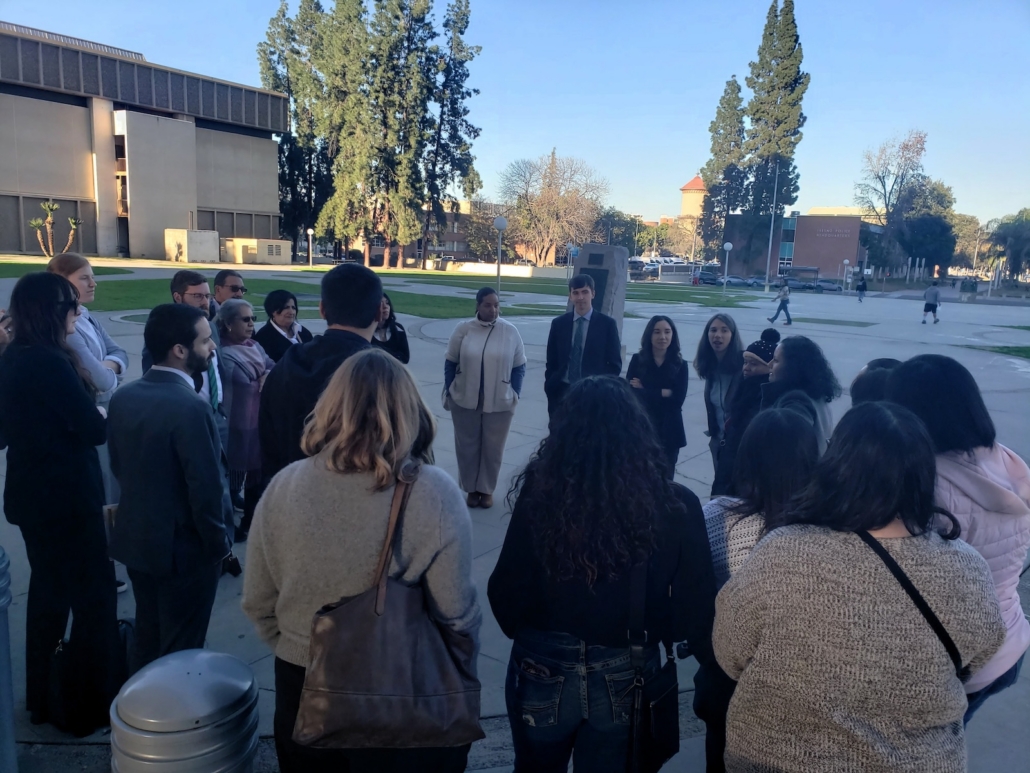
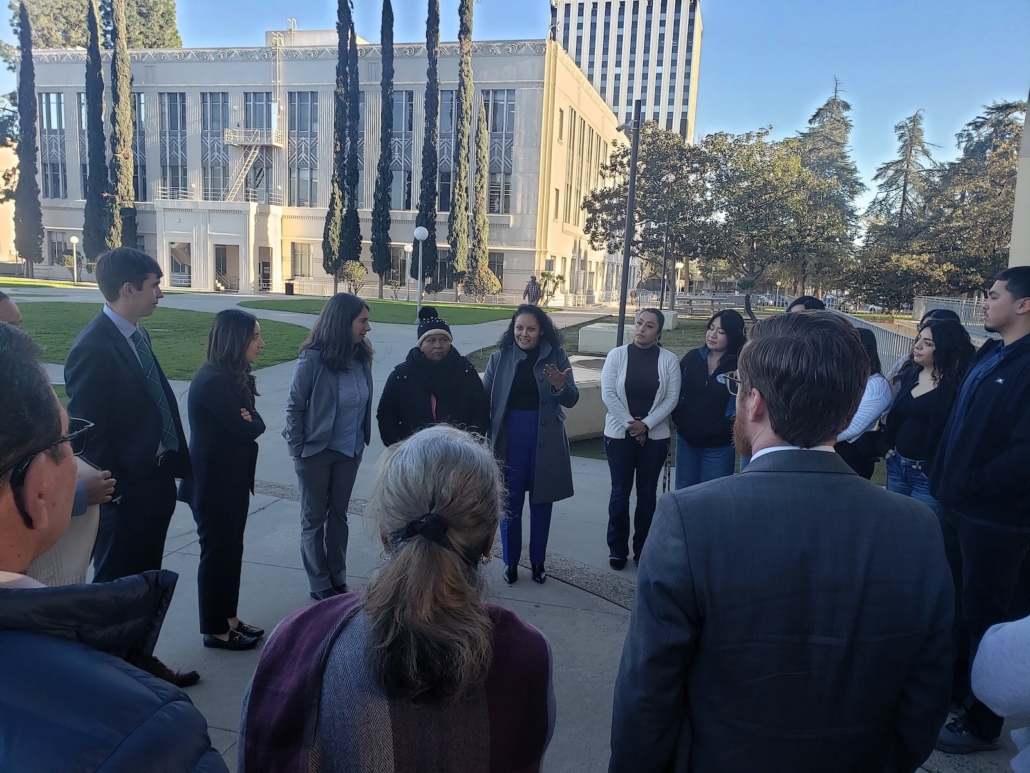
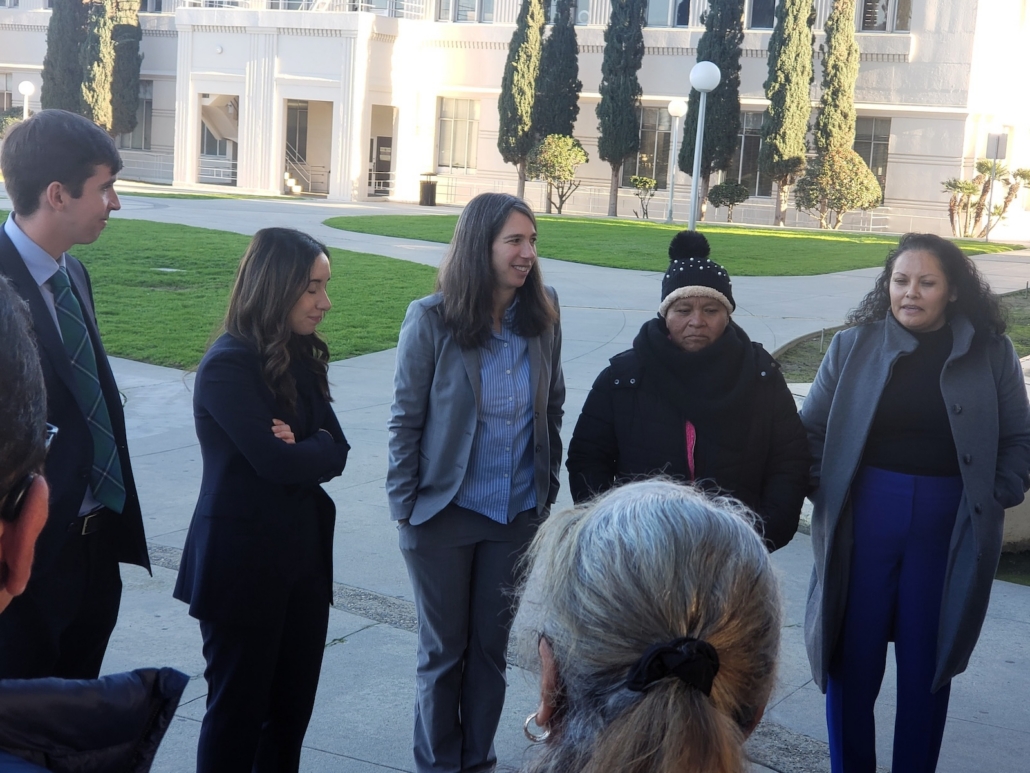
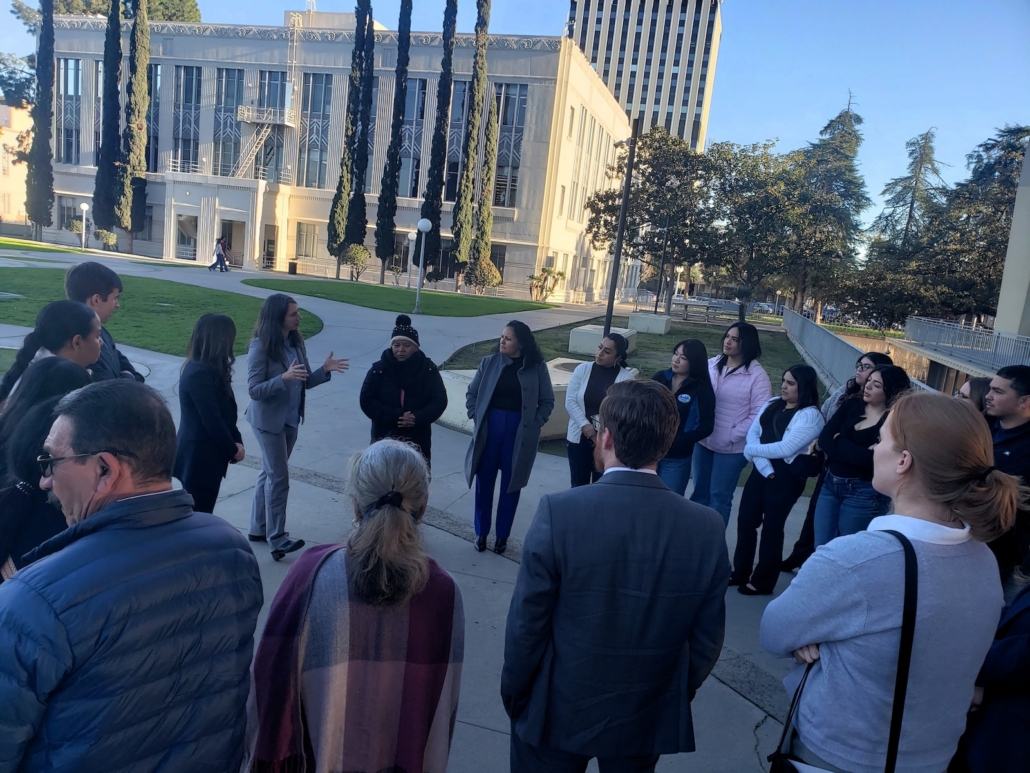
10 Million Truck Trips
One of the most significant omissions includes more than 10 million potential truck trips associated with the industrial development those interchanges are designed to serve. Those trips were not properly studied in Caltrans’ environmental analysis.
Residents of Calwa, Malaga, and other nearby communities live alongside Highway 99 and already bear a disproportionate burden of pollution from freeway traffic, warehousing, and industrial activity. Asthma rates and other respiratory conditions in south Fresno consistently outpace regional and state averages. Diesel exhaust, particular matter, and ozone exposure are daily realities.
Environmental review laws exist precisely to force agencies to examine cumulative impacts, consider alternatives, and mitigate harm before projects move forward. By failing to account for the full scope of truck traffic and its downstream effects, Caltrans short-changed that process.
A History of Industrial Expansion
These process flaws are not technical, but a pattern of undercounting and incomplete analysis that, if accepted, will set a troubling precedent for how major infrastructure projects are evaluated in already overburdened communities. The legal question before the judge is whether Caltrans complied with CEQA requirements or whether the environmental impact report must be set aside and revised.
This case also fits into a broader conversation unfolding in Fresno County about land use, public health, and who bears the cost of growth. As we have reported in previous coverage of industrial rezoning efforts and large-scale logistics proposals, south Fresno has repeatedly been targeted for projects that promise regional economic benefits while concentrating environmental impacts locally. We believe that meaningful review and mitigation are not obstacles to development, but necessary guardrails to ensure fairness and health protections.
What Happens Next
The outcome of this case could have consequences beyond a single set of interchanges. A ruling that requires deeper analysis of truck traffic and health impacts would signal that state agencies must fully account for cumulative environmental burdens when proposing infrastructure in vulnerable communities. A ruling in Caltrans’ favor would affirm the agency’s approach and allow the project to proceed as planned.
For Fresno BHC and Friends of Calwa, the lawsuit has always been about accountability and transparency. The argument is not that infrastructure should never be built. It is that decisions affecting air quality, traffic, and neighborhood health must be supported by complete and honest analysis, especially where residents have long raised concerns about cumulative pollution.
The judge now has 90 days to issue a written ruling. What that decision comes down, it will clarify whether Caltrans met its obligation under state law or whether further environmental review is necessary.
Be sure to subscribe to our newsletter for updates on this story when the ruling is issued.
For more local coverage about this case:
Highway 99 in Fresno would be choked with truck traffic if expanded, lawsuit says
Caltrans expansion plan triggers lawsuit from Fresno communities over pollution concerns
Read Our Newsletter
Latest News
 Join Us April 10 for the 2026 Community Champion Awards & Fundraiser February 17, 2026 - 12:56 pmin: Events
 The People’s Transportation Plan is Headed Toward the Ballot February 6, 2026 - 12:53 pmin: Transportation
 Did Caltrans Shortchange South Fresno? Judge Weighs Highway 99 Expansion Lawsuit January 15, 2026 - 2:52 pmin: Transportation
 What State Leaders Saw on Our South Fresno Environmental Justice Bus TourDecember 15, 2025 - 10:18 pmin: Community Engagement
 A Night for Celebration: Our Partner Appreciation GatheringDecember 12, 2025 - 6:50 pmin: Community Engagement
 Fiesta Navideña Brings Neighbors Together for the Holiday SeasonDecember 7, 2025 - 1:28 amin: Community Engagement, Events